
10 Organizational Tips for Your Agricultural Storage Building
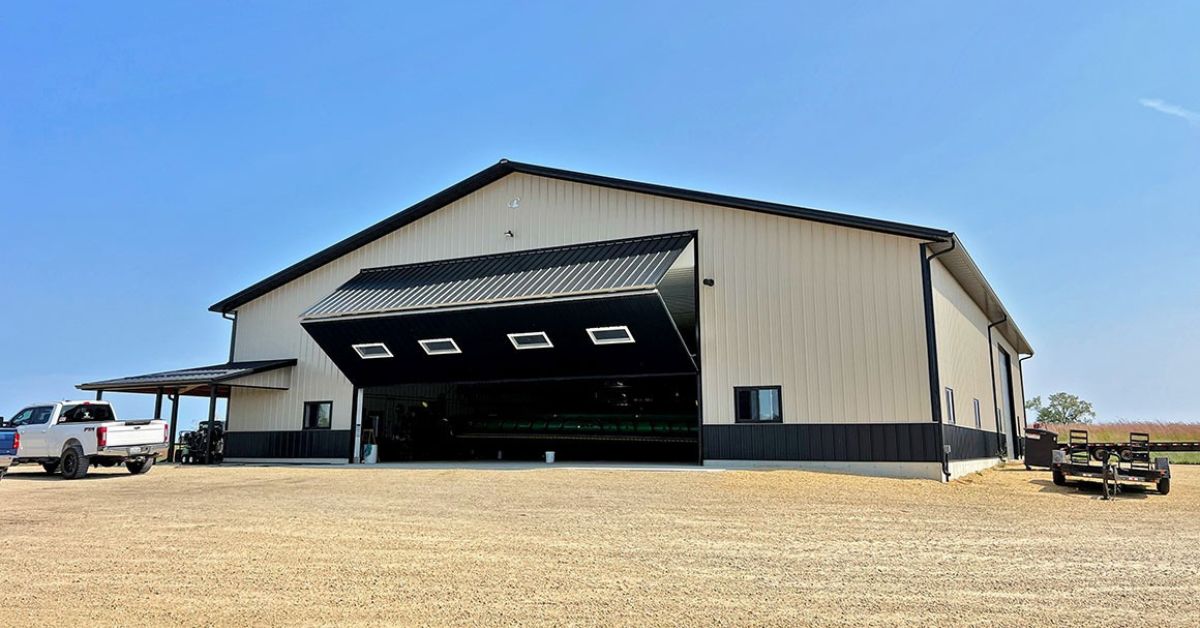.jpg "LesterBuildingSystemsLLC-406240-Agricultural-Storage-Building-blogbanner1-(1).jpg")
Order in a farm building delivers safety, efficiency, and less stress during your busiest seasons. Smart systems reduce downtime, protect assets, and help crews find what they need quickly. That’s why strong organization matters as much as square footage. This guide brings together field-tested strategies you can put to work right away.
Here’s our promise: thoughtful planning will stretch every inch of usable space and extend the life of your equipment and supplies. You’ll gain a layout that supports the day’s work, not one that fights it. Most importantly, you’ll establish habits that are easy to maintain, even when harvest or calving season ramps up. Consider these tips for organizing your agricultural storage building as a foundation you can build on over time.
Prioritize Safety First
Implement Safety Protocols and Guidelines
A safe building is an organized building. Clear rules keep people and inventory protected, while also speeding up daily tasks. Establish the following:
- Marked pedestrian paths and forklift lanes with high-visibility floor paint and signage
- PPE stations at entry points and high-risk zones, resupplied on a schedule
- Lockout/tagout procedures posted at panels and equipment bays, with training for all users
- Fire extinguishers, spill kits, and first-aid supplies mounted, labeled, and logged
- Weight limits and load diagrams displayed near racking and mezzanines
Written protocols work best when they’re visible and reinforced during toolbox talks. Regular refreshers keep standards top of mind for everyone—yourself included.
Regularly Inspect and Maintain Equipment
Inspections reduce downtime and prevent accidents. Create checklists for tractors, skid steers, compressors, and door systems, then assign owners for each. Calendared walkarounds catch hydraulic leaks, failing cords, or cracked guards before they become hazards.
Be sure to keep maintenance logs near equipment bays or in a shared digital folder. A simple record makes warranty claims smoother and helps plan parts ordering. Calibrated meters and torque tools should carry their own form of documentation: inspection tags with service dates.
Inventory Management Strategies
Implement an Inventory Management System (IMS)
Visibility drives better decisions. A lightweight inventory system (even a shared spreadsheet) prevents your team from overbuying or losing items. Cloud-based platforms with barcode or QR scanning offer faster receiving and picking, plus audit trails.
Your IMS categories should mirror real-world workflows: seed and chemicals, fasteners, filters, belts, lubricants, PPE, electrical, and seasonal equipment. Set par levels and reorder points for essentials like filters and shop towels, and cycle counts by zone to maintain accuracy without a massive annual push.
Label and Categorize Items Effectively
Labels transform a good system into a great one. Standardize your approach across shelves, bins, and racks. We recommend:
- Large, legible labels on shelf edges with category and subcategory names
- Color-coding by category, with matching bin labels and signs
- Durable, oil-resistant labels for high-contact drawers and parts cabinets
- Hanging aisle markers for quick orientation in larger agricultural storage buildings
- RF or barcode tags on high-value tools and powered equipment
There’s one crucial thing to keep in mind as you make a reliable system: consistency is what creates standards.
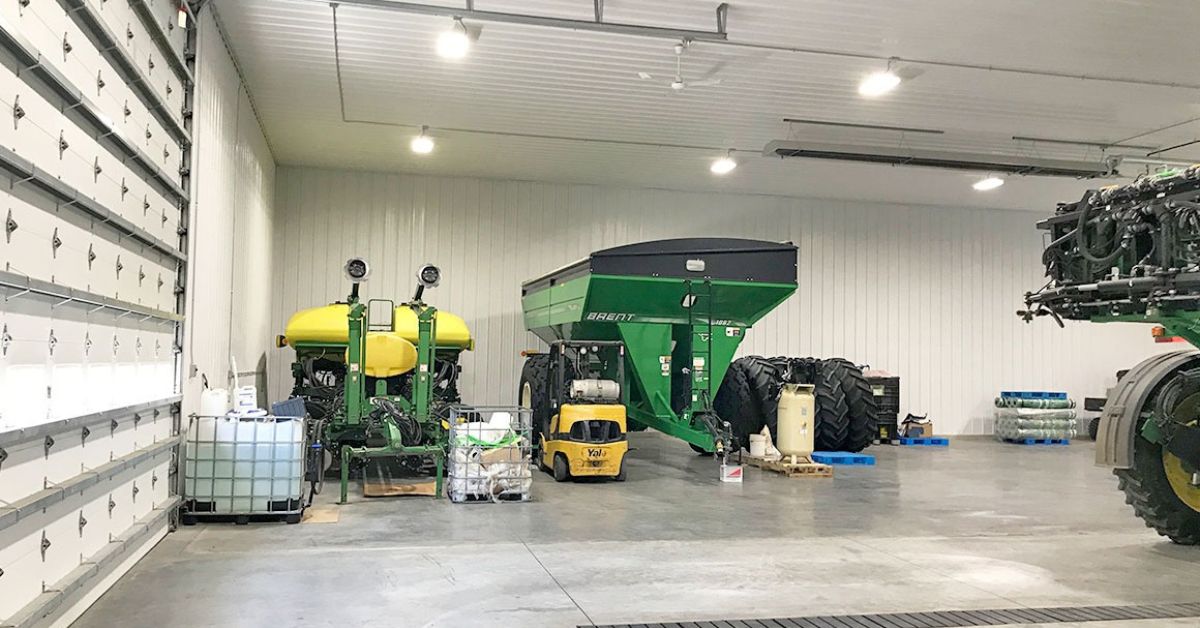
Maximize Vertical Space
Install Shelving Units and Racking Systems
Square footage is fixed; vertical capacity isn’t. Pallet racking, cantilever racking, and heavy-duty shelving unlock cubic volume and reduce floor clutter. Professional installation with anchors, load ratings, and row spacers protects people and inventory.
In the most effective and general setups, heavy items stay low, lighter items can go high, and frequently accessed supplies live between waist and shoulder height. Aisles should accommodate your widest equipment plus turning radius. You also want to maintain clear sightlines around corners to reduce rack collisions and improve traffic flow.
Utilize Wall-Mounted Storage Solutions
In pole barn buildings and other similarly engineered agricultural structures, walls can do much more than just display posters. Pegboards, slatwall panels, and French cleats help keep hand tools off benches and within easy reach. Magnetic strips secure metal tools, while vertical racks organize shovels, rakes, and fencing tools. Reel-mounted air hoses and extension cords reduce trip hazards and prolong equipment life.
Think beyond tools. You can even mount important documents—such as service manuals, SDS sheets, and load charts—in clear, weatherproof sleeves near relevant stations.
Climate Control Considerations
Implement Climate Control Measures
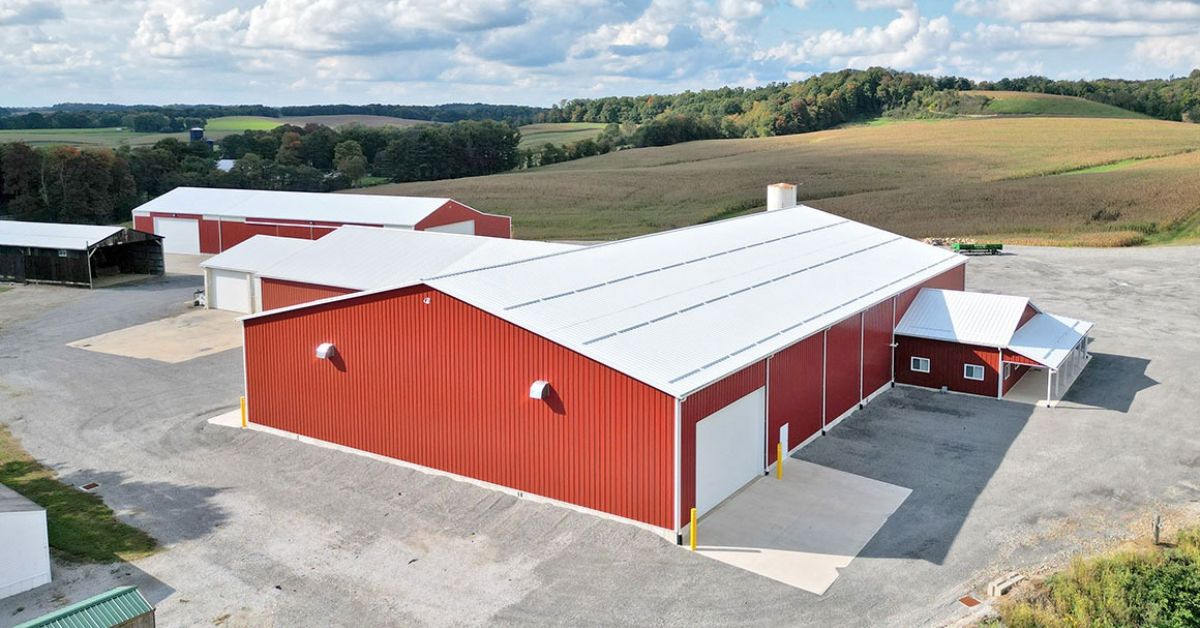
Materials and machines last longer when the environment stays stable. Insulation and air sealing set the foundation, especially in post-frame and metal agricultural storage buildings. Well-placed ridge vents, louvers, and circulation fans promote airflow, while dehumidifiers manage moisture in shoulder seasons.
Follow manufacturer guidance for chemical and seed storage. Labels usually specify temperature ranges, ventilation needs, and separation requirements that should drive your plan.
Monitor Temperature and Humidity Levels
Measurement brings discipline. Smart sensors and data loggers track temperature and relative humidity in real time, with alerts for threshold breaches. Place sensors in multiple zones, including near doors, in lofts, and inside cabinets that hold sensitive goods. Trend data will help you diagnose condensation hotspots, insulation gaps, or doors that need adjustment. Once you identify issues, you can make small tweaks, like door sweep replacement or fan timing, that will deliver outsized gains.
Pest Control Measures
Implement Pest Control Strategies
Pests can compromise seed, wiring, and packaging. Integrated pest management works best in agricultural storage buildings because it combines cleanliness, monitoring, and targeted control. Keep floors swept and waste sealed; food sources bring pests every time. Position tamper-resistant bait stations along exteriors and inspect them monthly. Trim vegetation away from the building, and store pallets off the ground to break harborage cycles.
Seal Gaps and Cracks in the Structure
Prevention starts at the envelope. Rodent-proof door sweeps, brush seals on overhead doors, and well-fitted thresholds block common entry points. Expandable foam and high-quality sealants close small penetrations around conduit and plumbing. Screened vents stop birds and insects while preserving airflow. Flashing and kick plates at corners and grade transitions deter gnawing. A short monthly walkaround catches new gaps before they become costly infestations.
Bring Order, Boost Productivity, and Protect What Matters
Great organization doesn’t happen by accident. Strong safety practices, disciplined inventory control, thoughtful vertical storage, stable environmental conditions, and proactive pest management work together. Every tip above supports easier workdays and better protection for your investment. Consider these tips for organizing your agricultural storage building a practical playbook that grows with your operation.
Lester Buildings can help you elevate your organizational game plan. Purpose-built farm shop buildings from Lester deliver the structure, flexibility, and durability your systems deserve. Explore layouts that support clear zones, efficient traffic patterns, and future expansion. Our team will tailor door placements, ceiling heights, and storage features around your workflows, then engineer the building for lasting performance.
Ready for a smarter shop that organizes itself around the way you work? Connect with Lester Buildings and explore our farm shop buildings today.