
4 Interior Finishing Options for Your Pole Building
.jpg "LesterBuildingSystemsLLC-417221-Interior-Finishing-Options-blogbanner1-(1).jpg")
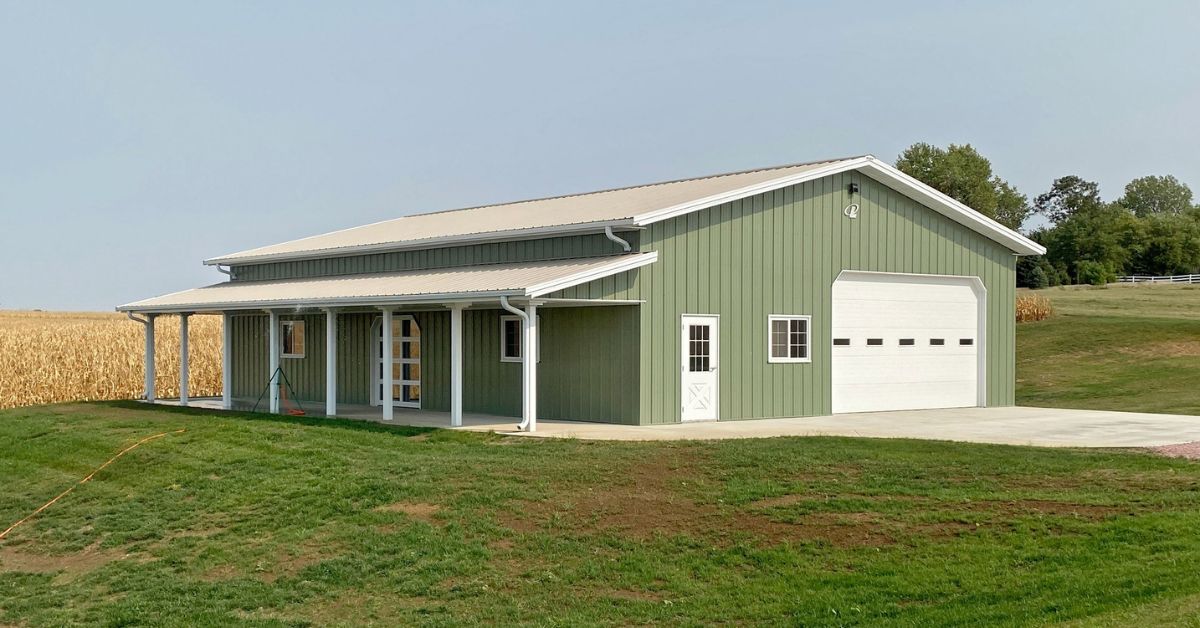
Pole buildings continue to earn their place in residential, agricultural, and commercial settings. Owners love the speed of construction, flexible layouts, and the way these structures adapt to changing needs over time. Finishing the interior unlocks even more value, whether you’re creating a workshop, retail floor, office suite, or a comfortable hobby space.
The right finish transforms an open shell into a productive environment with character. Choices range from clean and contemporary to rustic and warm, and each option performs differently in real-world use. Here, you’ll find guidance on the best interior finishing options for your pole building and learn more about how each choice affects budget, durability, and long-term maintenance.
Pole Building Construction Basics
Post-frame buildings use large vertical posts as the primary structure. Those posts are embedded in the ground or anchored to a concrete or engineered steel foundation, creating a sturdy, efficient framework. Wide column spacing supports open interiors, making it easy to plan rooms, install equipment, and route utilities without costly structural modifications.
Materials typically include wood or steel posts, with girts and purlins supporting the wall and roof systems. Many owners select wood framing because it provides design flexibility, efficient thermal performance, and a natural fit with interior finishes like paneling or drywall. That flexibility explains why wood commercial buildings are showing up across retail, office, and light industrial applications.
Choosing Interior Finishes: An Overview
Finishes pull everything together. Walls, ceilings, and floors should match how you use the space today and how you might adapt it later. Expected durability needs, moisture conditions, insulation strategies, and code requirements will all influence your choice. For example, a retail showroom demands a different approach than a humid wash bay or a busy fabrication area.
Plan around performance first. Then consider the experience you want for staff, customers, and guests. A cohesive palette, consistent trim details, and thoughtful lighting will elevate even the most utilitarian layout. The four finish categories below cover the most common and reliable solutions for post-frame interiors.
Drywall
Drywall remains the go-to choice for finished offices, showrooms, and living spaces within a pole building. The smooth surface paints beautifully, supports a wide range of colors, and allows artwork, shelving, and signage to shine. Electrical and data cabling are easy to hide behind drywall, giving the resulting space clean lines and a professional look.
Moisture conditions require careful planning. High-humidity zones such as wash bays or garden centers benefit from moisture-resistant or mold-resistant boards. Sealed penetrations, proper ventilation, and vapor management help drywall perform well for the long term. Impact-resistant panels can also extend life in busy corridors or shop areas where carts and tools move frequently.
Sound control improves with drywall as well. Insulation in wall cavities, resilient channels, and well-sealed joints limit noise transfer between rooms. Those upgrades help offices next to shop floors remain productive. Paint with a durable, washable finish completes the system and makes touch-ups simple.
Wood Paneling
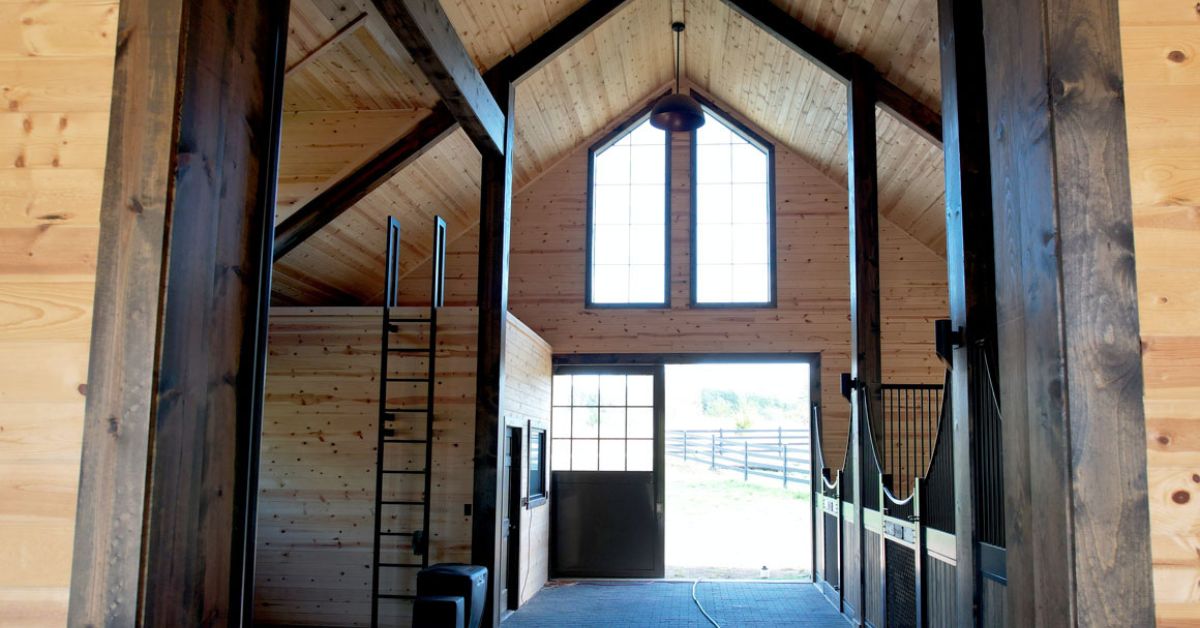
Wood paneling adds warmth, character, and a sense of craftsmanship. Tongue-and-groove boards, shiplap, and plywood panel systems each bring distinct textures, from rustic pine to sleek hardwood veneers. Many owners of wood commercial buildings choose paneling to create a cohesive aesthetic that flows from structure to finish.
Thermal performance sees a modest boost with wood paneling, especially when installed over insulated cavities. That layered assembly feels comfortable and limits temperature swings. Protective finishes, such as polyurethane or hardwax oils, make for cleaning easy and guard against moisture.
Note that fire code considerations may call for rated assemblies or additional layers behind the paneling, so you will want to coordinate with your builder if you choose this option.
Metal Panels
Metal liner panels excel in demanding environments where durability and easy cleanup are priorities. These panels resist dents, shrug off stains, and wipe down fast after a long day in the shop. A bright white panel reflects light well, improving visibility and reducing the number of fixtures needed.
Design options have expanded beyond the industrial look. Smooth or lightly textured profiles, satin finishes, and a range of colors bring a refined aesthetic. Strategic use on ceilings and lower wall sections balances utility with visual appeal. In large, open rooms where noise could be an issue, acoustic treatments behind the panels help tame echo.
Moisture control pairs naturally with metal panels. Proper insulation, venting, and a well-detailed vapor strategy mitigate condensation risks.
Concrete
Concrete stands out for floors and selective wall applications. Polished concrete floors deliver exceptional durability, high-impact resistance, and a clean, modern appearance. Stains and dyes expand the palette from natural gray to warm earth tones or rich, high-contrast colors. Sealed concrete resists spills, supports heavy equipment, and is easy to clean.
With hard floors, comfort and acoustics will be two significant factors. Area rugs, rubber mats, or resilient underlayment in key zones can soften footsteps and improve the sound profile. Radiant floor heating transforms concrete into a comfortable, efficient surface in cold climates, pairing beautifully with the open layouts typical of post-frame designs.
Factors To Consider When Choosing Interior Finishes
Cost
Budgets can set building boundaries, but smart combinations will stretch value. Many owners finish customer-facing areas at a higher level while keeping back-of-house zones practical. Phased upgrades can align with cash flow and operational milestones.
Purpose
Purpose drives the selection more than any other factor. A boutique retail shop benefits from drywall or painted wood for brand expression, while a machine bay or animal care area likely favors metal liner panels and sealed concrete.
Style
Aesthetics influence how people feel in your space. Consistent trim, coordinated colors, and thoughtful textures create a welcoming environment. Lighting choices should complement finishes, using warmer tones for wood and cooler tones where a bright, hygienic feel is preferred.
Partnering With a Trusted Builder
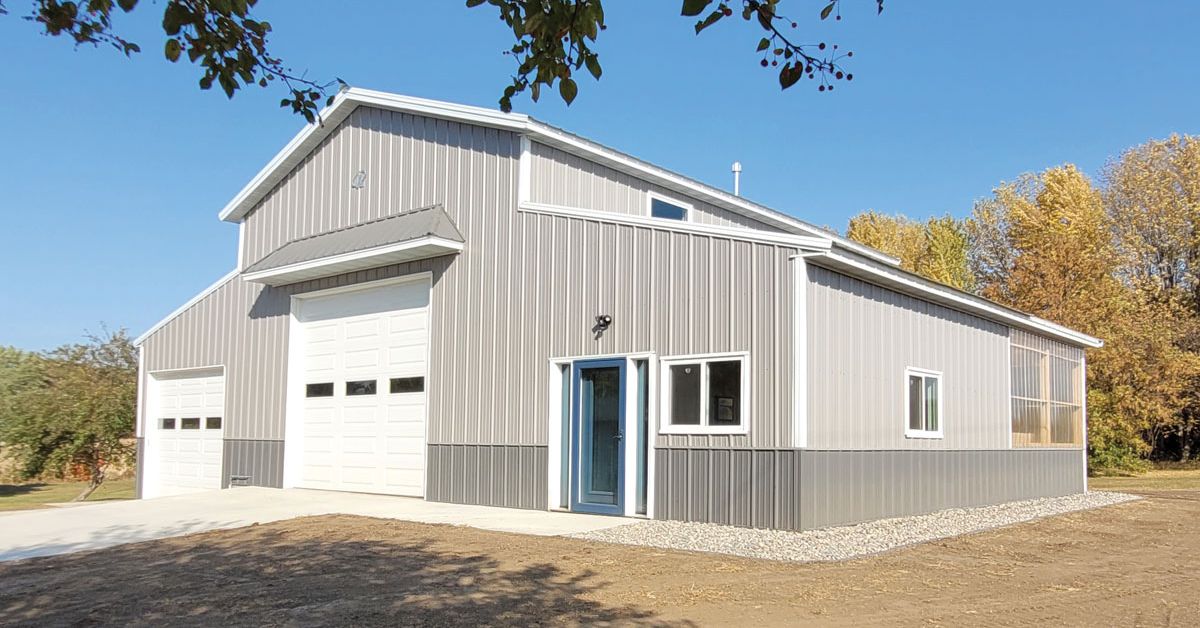
Experienced builders streamline decisions, protect budgets, and help you capitalize on the strengths of post-frame construction. Pre-engineered wood-frame systems often go up faster and cost less than stud frame, steel, or masonry, helping owners realize a quicker return on investment. Wide, open interiors create freedom to tailor your layout and finishes as needs evolve.
Lester Buildings brings a deep bench of engineering and design expertise to every project. Teams collaborate on structure, energy efficiency, and interior and exterior options, so your finish choices align with performance goals. Many dealers provide turnkey support, managing planning, design, and construction through completion. MyLester Design® offers an engaging way to visualize possibilities and refine selections before building begins.
Strong results come from aligning purpose, performance, and aesthetics. Guidance from an experienced partner simplifies the path from the ideation phase to the finished space.
Your Best Path to a Finished, Functional Interior
A post-frame building invites creativity, and these four finish categories cover most needs with style. Drywall excels in refined spaces, wood paneling adds warmth, metal panels thrive in rugged environments, and concrete delivers unmatched durability underfoot. Blending solutions often yields the best outcome, balancing cost, maintenance, and brand expression.
Ready to map finishes to your priorities and timeline? Contact Lester Buildings to discuss plans, budget range, and performance goals. Teams will help you compare assemblies, coordinate code requirements, and tailor the details that make daily use easier.
Bring the concept to life and select the best interior finishing options for your pole building without wasted steps or guesswork. Owners of commercial buildings rely on smart, efficient choices, and this approach sets you up for long-term success with a space that looks great and works even better.