
7 Agricultural Building Trends To Watch For
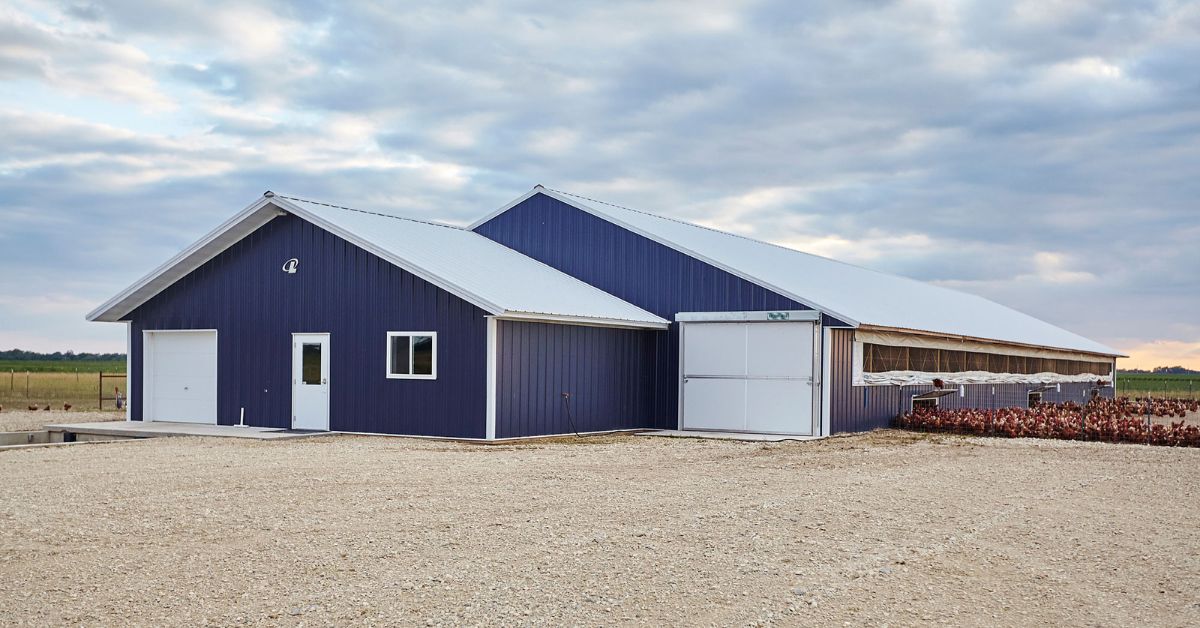
Agricultural operations continue to evolve as farmers and property owners look for ways to improve efficiency, reduce maintenance concerns, and build structures that support long-term growth. Today’s post-frame structures are no longer designed solely for storage. They now serve as flexible, high-performing spaces that adapt to changing operational demands across these operations.
For anyone planning a new structure, understanding the agricultural building trends to watch for can make it easier to design a building that delivers value for years to come. From smarter layouts to energy-conscious features, the latest trends reflect a growing focus on functionality, durability, and adaptability.
1. Flexible Multi-Use Building Designs
One of the biggest shifts in agricultural construction is the demand for buildings that support more than one purpose. Many property owners now want structures that combine equipment storage, workshops, office space, livestock housing, or processing areas under one roof.
Post-frame construction supports this flexibility particularly well because clear-span interiors reduce the need for interior load-bearing walls. Open layouts make it easier to reconfigure spaces as operational needs change over time.
Modern agricultural buildings are commonly designed to support:
- Equipment storage alongside repair bays
- Office or administrative areas within farm shops
- Livestock housing paired with feed or supply storage
This trend reflects the need for buildings that can evolve alongside a growing operation instead of becoming outdated too quickly.
2. Smarter Energy Efficiency Features
Energy efficiency has become a major consideration for agricultural building owners. Rising utility costs and the prevalence of year-round building use have increased interest in features that improve climate control and reduce energy waste.
Many modern agricultural structures now include upgraded insulation systems, reflective roofing materials, and improved ventilation strategies. These additions regulate indoor temperatures while minimizing condensation and moisture concerns.
Natural lighting is also becoming more common. Translucent wall panels and skylights allow daylight to enter workspaces, reducing the need for artificial lighting during daytime operations. Better airflow and lighting can improve comfort for both workers and livestock while supporting lower operating costs over time.
For property owners evaluating different pole building suppliers, energy performance is increasingly part of the decision-making process rather than an afterthought.
3. Buildings Designed for Future Expansion
Agricultural operations rarely stay static. Equipment changes, herd sizes shift, and storage demands grow over time. Because of this, many new buildings are now planned with future expansion in mind from the start.
Rather than building only for current needs, owners are choosing layouts that allow for additional bays, extended storage areas, or expanded workspaces later. This approach reduces the likelihood of needing an entirely new structure a few years down the road.
Builders are also helping more customers plan site layouts so that future additions can integrate smoothly with existing structures. Proper placement of driveways, utility access, and drainage systems plays an important role in supporting long-term flexibility.
This trend highlights a larger shift toward viewing agricultural buildings as long-term investments rather than temporary solutions.
4. Improved Ventilation and Moisture Control
Ventilation has always mattered in agricultural structures, but modern designs are striking a new, smarter balance between achieving proper ventilation and creating a multi-functional enclosed space. Poor ventilation can contribute to condensation, mold concerns, and uncomfortable working conditions, particularly in livestock and workshop environments. However, an open barn-style building can create its own issues for those looking to use the space for office purposes.
Today’s buildings often incorporate a combination of ridge vents, sidewall ventilation, and insulated roofing systems to maintain healthier, more comfortable indoor conditions. Better airflow can help regulate temperature while protecting equipment, feed, and building materials from excess moisture.
Several ventilation-focused upgrades have become increasingly popular, including:
- Ridge vent systems that promote natural airflow
- Insulated wall and roof systems that reduce condensation
- Larger door openings that improve circulation and accessibility
These features not only improve comfort but also support the long-term durability of the structure itself, making them especially popular solutions.
5. Customized Farm Shops With Office Space
Farm shops have become more sophisticated as agricultural operations increasingly rely on technology, equipment diagnostics, and administrative management. Many owners now want shop buildings that include dedicated office space alongside equipment maintenance areas.
These hybrid spaces allow operators to handle paperwork, scheduling, inventory management, and meetings without leaving the property. At the same time, they maintain convenient access to machinery and repair work.
Modern shop layouts often prioritize:
- Separation between noisy work areas and office zones
- Large overhead doors for equipment access
- Organized storage for tools and supplies
- Reliable electrical and internet infrastructure
This trend reflects how agriculture continues to blend traditional hands-on work with technology-driven operations. As buildings take on more responsibilities, customization becomes increasingly important.
6. Durable Materials Built for Demanding Conditions
Agricultural buildings face constant exposure to moisture, wind, heavy equipment use, and seasonal weather changes. Because of this, durability remains one of the most important priorities in modern construction.
Many property owners are investing in upgraded materials designed to improve structural longevity and reduce maintenance requirements. Laminated columns, engineered trusses, treated wood components, and stronger steel panel systems are becoming more common in post-frame construction.
At the same time, owners are paying closer attention to roofing systems, drainage planning, and exterior finishes that can withstand changing environmental conditions. A durable building helps protect valuable equipment and supplies while minimizing future repair costs.
Experienced pole building suppliers understand that long-term performance depends not only on quality materials but also on proper engineering and thoughtful site planning.
7. Technology Integration and Smarter Planning Tools
Technology continues to influence how agricultural buildings are designed and managed. Many property owners now expect digital planning tools, advanced customization options, and improved visualization during the design process.
Online building design platforms allow users to experiment with layouts, door placements, colors, and structural options before construction begins. These tools help customers better understand how a building will function within their operation.
Technology integration inside the building is also becoming more common. Agricultural facilities may include automated ventilation controls, security systems, LED lighting controls, or specialized electrical infrastructure for equipment and monitoring systems.
As agricultural operations become more data-driven and efficiency-focused, building designs are evolving to support those changes from day one.
Planning for Long-Term Performance
As trends continue to evolve, one thing is clear: even traditional agricultural buildings need to adapt. Property owners are placing greater emphasis on buildings that improve workflow, reduce maintenance concerns, and maximize usable space.
The most successful projects often begin with careful planning. Before selecting a building design, it is important to think about how the structure will function not only today but also several years from now. Storage demands, equipment changes, and operational growth can all influence which features provide the most long-term value.
Working with experienced building professionals can help property owners identify practical design solutions that align with both current needs and future goals.
Building for What Comes Next
The latest innovations in post-frame construction reflect the changing priorities of modern agriculture. Owners want buildings that combine durability, efficiency, flexibility, and customization without sacrificing long-term performance.
By understanding the agricultural building trends to watch for, property owners can make more informed decisions about how to design structures that truly support their operations. Whether you are planning a new farm shop, storage facility, livestock structure, or multi-use building, thoughtful planning today can create lasting value for years to come.
At Lester Buildings, we work with customers to design custom post-frame structures tailored to their specific goals. If you are exploring new agricultural building options, we encourage you to connect with our team and start planning a building that works as hard as you do.