
7 Considerations When Designing a Farm Shop With an Office
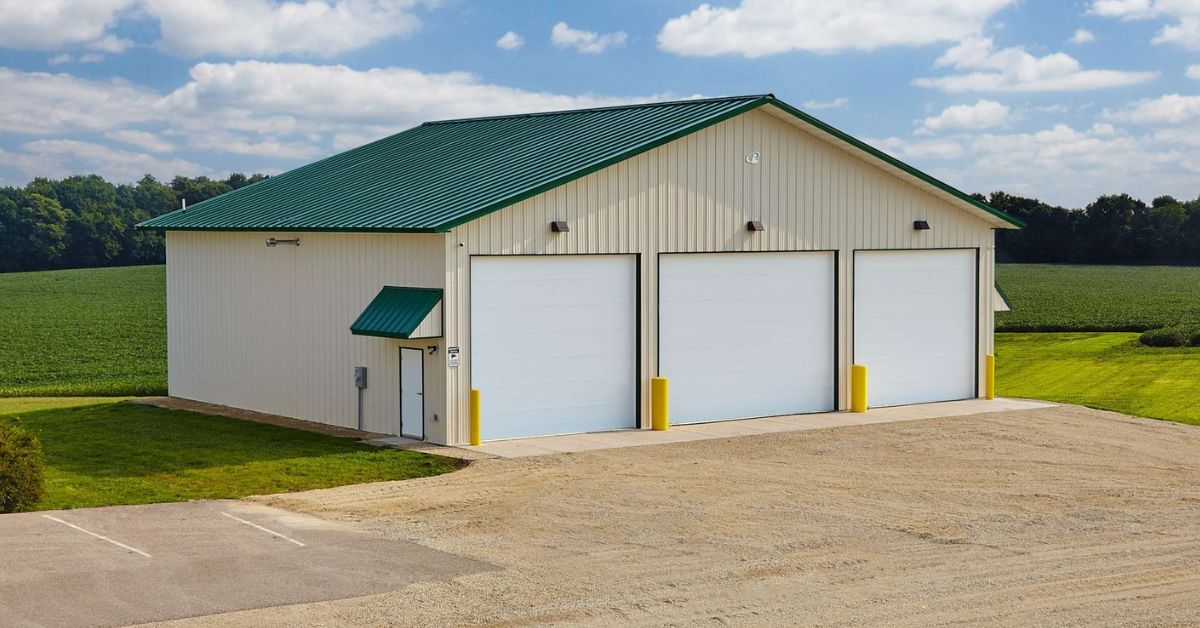
When it comes to designing a farm shop with an office, the goal is to create a space that supports both hands-on work and administrative tasks without compromise. Today’s agriculture farm shops need to balance durability, efficiency, and comfort while adapting to evolving operational demands. A thoughtfully designed building can streamline your workflow, improve productivity, and make daily operations that much more manageable.
Because every operation is different, there is no one-size-fits-all solution. However, there are several key considerations that can help guide your planning process and ensure your building truly works for you.
1. Define the Purpose of Each Space
Start by clearly identifying how you plan to use both the shop and office areas. This step sets the foundation for every other design decision.
Think about how your daily operations flow. The shop may need to accommodate equipment maintenance, storage, or fabrication, while the office might serve as a hub for recordkeeping, meetings, or farm management software. Being able to define these uses from the start helps you determine the building’s layout, size, and required features.
A well-defined purpose also ensures that your farm shop remains efficient as your operation grows or changes over time.
2. Plan an Efficient Layout
Layout plays a critical role in how functional your building will be day to day. A poorly planned layout can slow down operations, while a thoughtful one keeps everything moving smoothly.
Consider how people, equipment, and materials move through the space. Ideally, the shop and office areas should connect in a way that is convenient but remain separate enough to minimize noise and disruption. Position the office so that it provides visibility of the shop floor while still offering a quiet environment for focused work.
When mapping your layout, prioritize these elements:
- Clear pathways for equipment movement
- Logical placement of workstations and storage
- Easy movement between the shop and office areas
An efficient layout reduces wasted time and supports a safer working environment.
3. Size the Building for Current and Future Needs
One of the most common challenges with farm buildings is outgrowing them too quickly. When planning your shop with an office, it’s important to think beyond your immediate needs.
Consider the size of your current equipment and any future upgrades you may anticipate. Will you need additional storage space or more work bays down the road? Expanding later can be more complex and costly than building with growth in mind from the start.
Your office space should also reflect future needs. You may eventually require additional desks, meeting space, or upgraded technology infrastructure. Building with flexibility ensures your investment continues to serve you well.
4. Separate Work Zones for Safety and Comfort
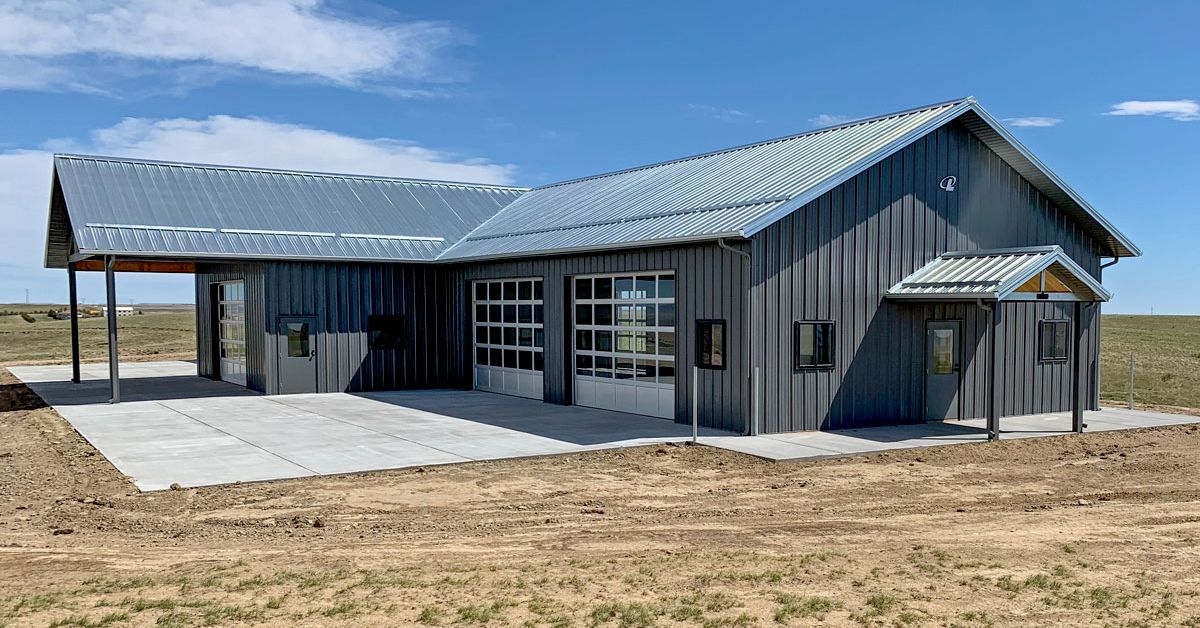
Combining a shop and office in one structure requires careful attention to separation. The goal is to maintain a productive shop environment without compromising the comfort of the office.
Noise, dust, and temperature fluctuations are common in shop settings. Proper separation controls these factors and creates a more usable office space. Plan to include insulated walls and sealed entry points, and be deliberate when placing doors and windows.
Additionally, consider how employees or family members will move between spaces. Clear transitions between work zones can improve safety and efficiency for everyone using the building.
5. Prioritize Lighting and Ventilation
Lighting and ventilation are often overlooked during the early planning stages, but they have a major impact on usability.
In the shop area, ample lighting improves visibility and safety when working with equipment. Natural light can enhance the space, but it should be supplemented with well-placed artificial lighting to ensure consistent coverage.
Ventilation is equally important, especially if your work involves machinery, fumes, or dust. Proper airflow helps maintain air quality and protects both people and equipment.
For the office, focus on comfort and consistency. Good lighting reduces eye strain, while controlled ventilation ensures a comfortable working environment throughout the year.
6. Incorporate Storage and Organization
Effective storage is essential for keeping agriculture farm shops functional and efficient. Without proper organization, tools and materials can quickly create clutter and slow down operations.
Think about what you need to store and how often you access those items. Frequently used tools should be easy to reach, while seasonal equipment can remain in less accessible areas until needed. Planning for storage helps you maximize your space and build workflows into the floor plan.
Consider integrating:
- Dedicated tool storage systems
- Shelving for parts and supplies
- Designated areas for large equipment
An organized shop not only saves time but also helps extend the life of your tools and equipment.
7. Plan Around Connectivity
Modern farm operations rely heavily on technology, making connectivity an important part of your building design. Your office will likely serve as the central hub for digital tools, communication, and recordkeeping.
Ensure your building can support reliable internet access, electrical needs, and any specialized equipment you may use. Running wiring and planning infrastructure during construction is far easier than retrofitting later.
Additionally, consider how technology integrates with your shop operations. Whether it’s equipment diagnostics or inventory tracking, having the right setup can improve efficiency across your entire operation.
Designing for Durability and Longevity
Farm shops experience heavy use, so durability should be a top priority. Materials and construction methods should support long-term performance under demanding conditions.
Post-frame construction is a popular choice for agriculture farm shops because of its strength, flexibility, and cost efficiency. It allows for wide-open interior spaces without load-bearing walls, making it easier to customize layouts and adapt over time.
Balancing Function and Comfort
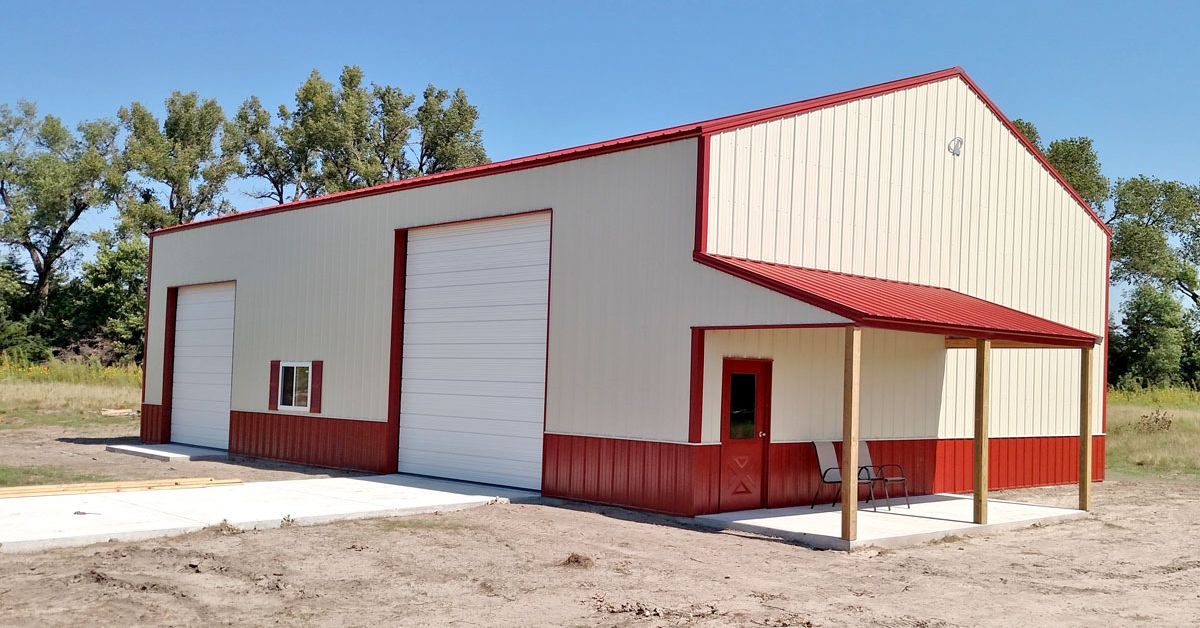
A successful farm shop with an office strikes the right balance between productivity and comfort. The shop must handle tough, hands-on work, while the office should feel like a space where you can focus and manage operations effectively.
This balance often comes down to thoughtful design choices. Insulation, layout, and material selection all contribute to how the building performs day to day. Paying attention to these details ensures that both spaces can fully support your workflow.
Build a Space That Works for You
There are many factors to consider when designing a farm shop with an office, but taking the time to plan carefully today will pay off tomorrow. From layout and sizing to storage and technology, each decision plays a role in how well your building supports your operation.
If you’re ready to start planning, Lester Building Systems offers tools and expertise to help you design a building tailored to your needs. Our online design tools make it easier to visualize your space and explore options that align with your goals. Reach out to get started and create a quality farm shop that works as hard as you do.