
8 Considerations When Building a Homestead Barn
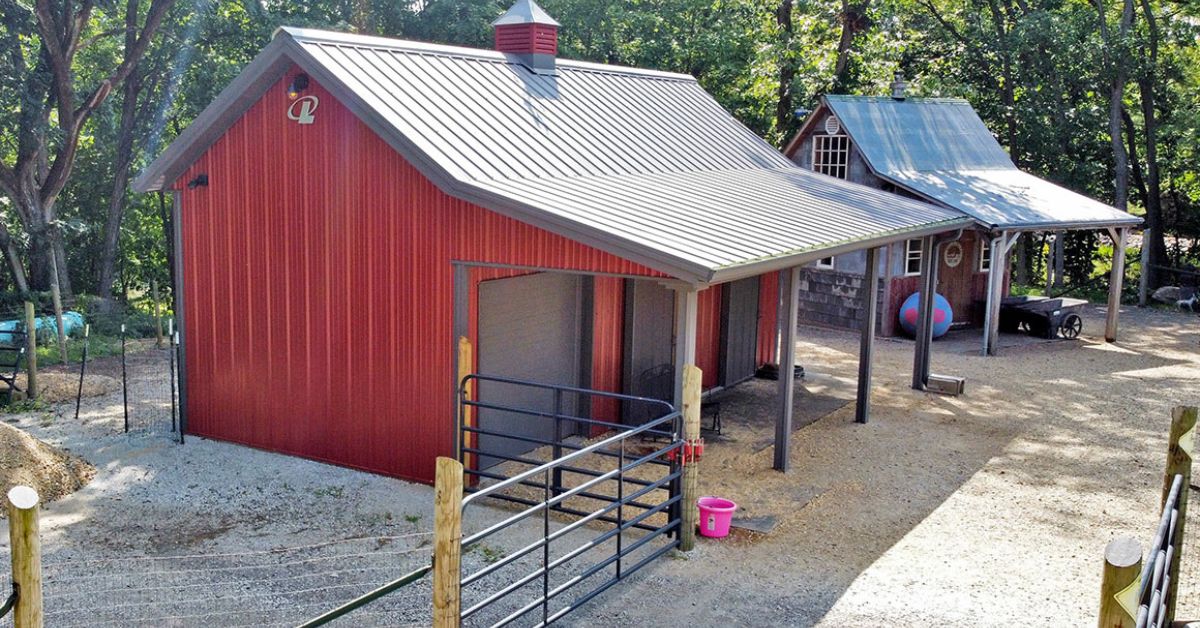
Building a barn for your homestead is an exciting step, but it requires careful planning to ensure long-term functionality and efficiency. Whether you’re housing animals, storing equipment, or creating a flexible workspace, the decisions you make early will shape how well your structure performs over time. There are several key factors to consider when building a homestead barn that can help you avoid the need for costly adjustments later.
From layout and materials to ventilation and future expansion, every detail plays a role. This guide walks through the most important considerations so you can design a livestock pole barn that fully supports your daily operations.
1. Define the Purpose of Your Barn
Before you make any design decisions, clarify how you plan to use the barn. A homestead barn often serves multiple purposes, but its primary function should serve as a guiding element during layout and feature decisions.
If you’re building a livestock pole barn, you’ll need to account for animal comfort, safety, and workflow. Storage-focused barns require different considerations, such as access points and protection from the elements. Many homesteaders combine uses to make the most of the space and structure, but doing so requires thoughtful zoning.
Ask yourself how your needs might evolve over time. For example, a space initially used for equipment storage might later transition into animal housing or a workshop. Planning for flexibility now can prevent the need for expensive renovations.
2. Plan an Efficient Layout
A well-designed layout improves daily efficiency and reduces labor. Think through how you will move animals, equipment, and supplies through the space.
As you plan the layout, make sure to:
- Separate animal housing from feed and equipment storage
- Design wide aisles for machinery and safe animal handling
- Position doors for easy access in all seasons
- Allow space for cleaning and maintenance routines
When you align your layout with daily tasks, you can waste less time and effort during daily operations. This becomes especially important as your homestead grows. A thoughtful layout ultimately does more than just make life easier, though; it also improves safety by minimizing congestion and reducing the risk of accidents involving animals or equipment.
3. Choose the Right Building Materials
Material selection directly impacts durability, maintenance, and overall performance. Post-frame construction offers flexibility and strength, making it a popular choice for homestead barns.
Focus on materials that can handle your local climate conditions. Moisture resistance, wind durability, and insulation performance all matter. A well-built livestock pole barn should protect both animals and equipment year-round.
Quality materials may require a higher upfront investment, but they typically reduce long-term repair and replacement costs. Investing in reliable materials also helps maintain structural integrity over time, which is especially important in agricultural environments where wear and tear can be significant.
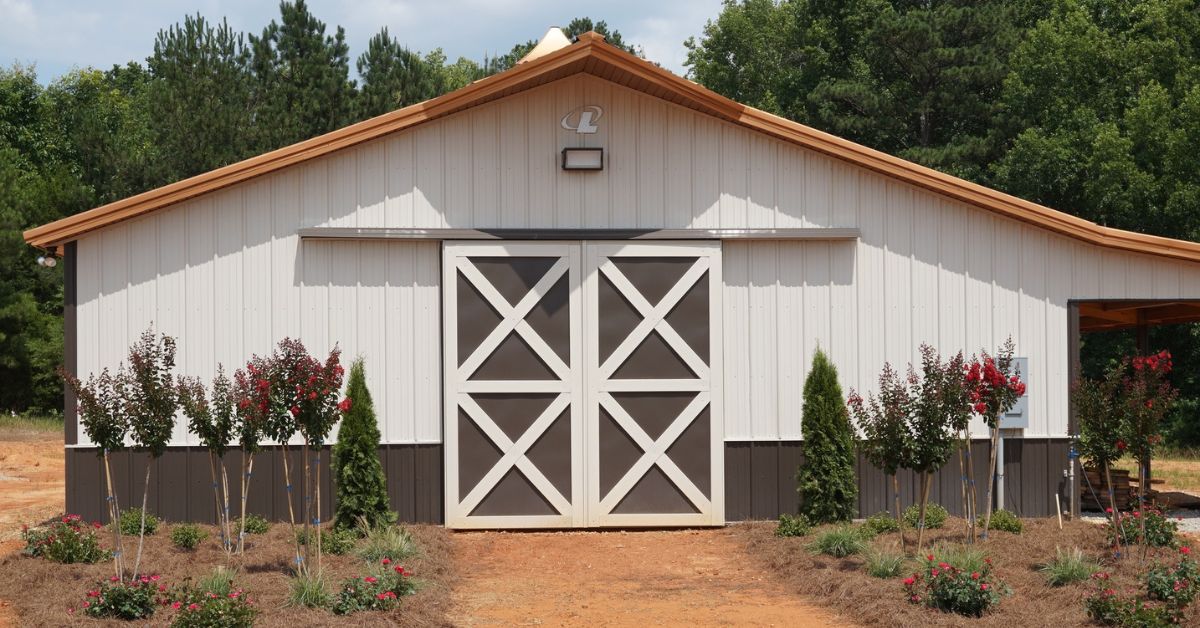
4. Prioritize Ventilation and Airflow
Proper ventilation is critical in any barn, especially when housing livestock. Good airflow helps regulate temperature, reduce moisture buildup, and improve overall air quality.
Without adequate ventilation, barns can quickly become uncomfortable and unhealthy environments. This can affect both animal well-being and structural integrity.
When planning ventilation, think about natural and mechanical options. Ridge vents, sidewall openings, and strategically placed windows all contribute to consistent airflow. A well-ventilated livestock pole barn supports healthier animals and a more comfortable working environment while also helping you control odors and humidity levels.
5. Consider Animal-Specific Needs
Not all livestock require the same environment, so your barn design should reflect the specific animals you plan to house. Cattle, horses, goats, and poultry all have different space requirements, ventilation needs, and feeding setups.
For example, horses benefit from well-ventilated stalls with easy access to the outdoors, while smaller livestock like goats may require secure enclosures to prevent escape. Flooring also varies depending on the animal, as some need softer footing to reduce strain and injury.
Designing your livestock pole barn with these differences in mind improves animal health and reduces daily management challenges.
6. Incorporate Storage for Feed and Supplies
A functional homestead barn should include dedicated space for feed, tools, and essential supplies. Without proper storage, you leave your materials exposed to moisture, pests, or contamination.
Feed storage should remain dry, secure, and easily accessible from animal housing areas. You may also want to plan for seasonal storage needs, such as hay, bedding, or equipment that isn’t used year-round. Thoughtful storage integration ensures your barn remains organized, efficient, and easy to maintain as your homestead operations expand.
7. Design for Seasonal Conditions
Your barn needs to perform well in every season. Weather patterns in your region should influence your design decisions from the start.
In colder climates, insulation and wind protection are essential. In warmer areas, shade and ventilation take priority. Snow load, rainfall, and wind exposure all impact structural requirements.
Make sure your design accounts for environmental factors. The following decisions can protect the structure:
- Roof pitch that sheds snow and rain effectively
- Durable siding that resists moisture and temperature changes
- Strategic orientation to reduce wind impact
- Drainage systems to prevent water pooling around the structure
By designing with seasonal conditions in mind, you create a more resilient and comfortable barn. This also helps protect your investment by reducing the risk of weather-related damage over time.
8. Plan for Utilities and Infrastructure
Utilities play a major role in how functional your barn will be. Even if you don’t need everything immediately, planning for future utility installation can save you a lot of time in the future.
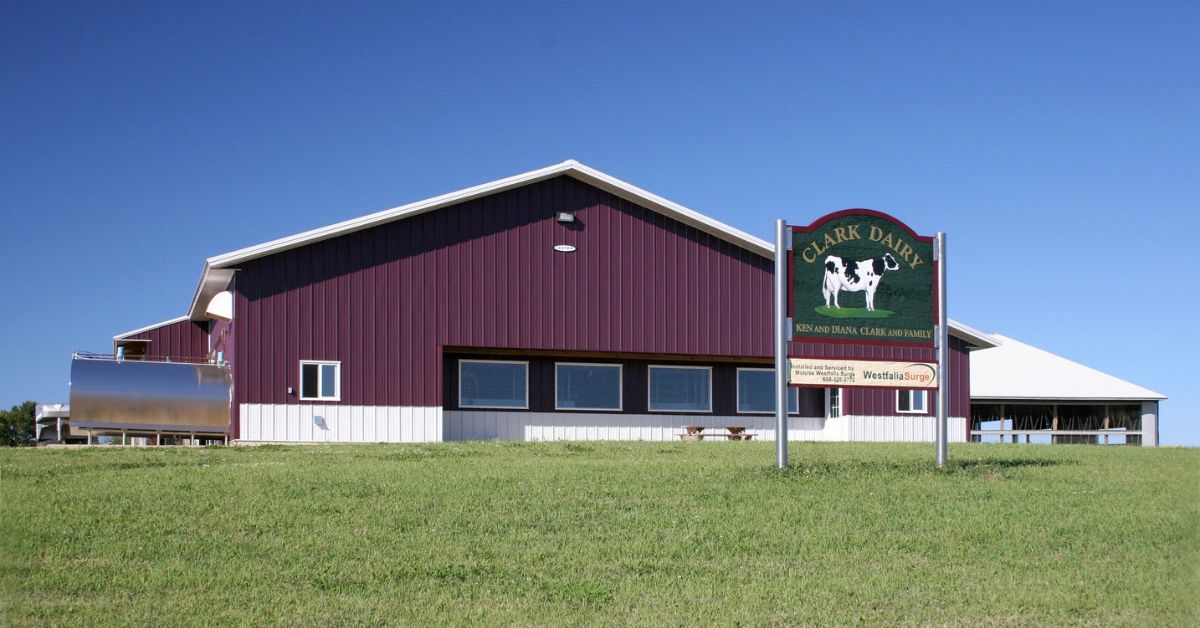
Electricity supports lighting, equipment, and ventilation systems. Water access is essential for livestock care and cleaning. Some homesteaders also incorporate heating systems or specialized equipment to suit unique farm applications, such as milking setups or syrup filtration.
Think about where these systems will run and how they integrate into your design. A well-planned infrastructure setup keeps your barn efficient and adaptable. It also ensures that you can make future upgrades with minimal disruption to your daily routines.
Design a Homestead Barn That Lasts
Every homestead is unique, which means your barn should reflect your specific goals and workflow. By taking the time to plan each detail, you create a structure that supports both daily tasks and long-term growth.
There are many factors to consider when building a homestead barn, but you don’t have to navigate the design process alone. Working with an experienced building provider can help you make informed decisions and avoid common pitfalls.
Lester Buildings specializes in custom post-frame structures designed to meet the needs of farmers, homesteaders, and property owners. With decades of experience and a focus on quality craftsmanship, we can help bring your vision to life.
If you’re ready to build a livestock pole barn tailored to your homestead, connect with the team at Lester Buildings today to start planning your project.