
A Guide to Properly Lighting Your Farm Shop
.jpg "LesterBuildingSystemsLLC-411100-farm-shop-building-blogbanner1-(1).jpg")
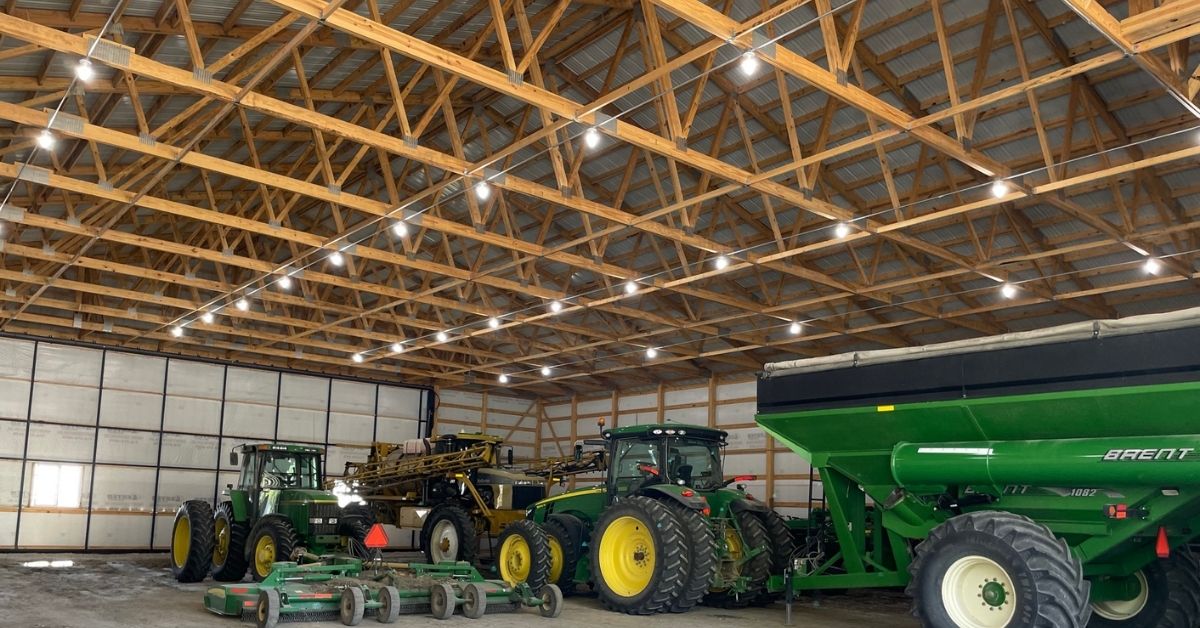
Farm shops do far more than store equipment. These spaces host repairs, fabrication, seasonal prep, and the everyday tasks that keep an operation running. Lighting shapes how well that work gets done. The right plan supports accuracy, reduces accidents, and extends the usable day, especially during planting and harvest rushes.
Many shops evolve over time, so lighting often lags behind current needs. Fixtures get added piecemeal, leaving glare, dark corners, and energy waste. A thoughtful approach solves those problems without breaking the budget.
Goals drive the plan. Bright, uniform ambient light sets the foundation, then targeted task light brings clarity to workbenches, bays, and inspection areas. Color quality, controls, and maintenance keep performance high through every season.
Investing in properly lighting your farm shop improves safety, efficiency, and productivity in one sweep. Let’s talk about how to tackle lighting in your building.
Why Lighting Is Crucial
Safety sits at the top of the list. Good illumination helps you, your guests, and your staff spot trip hazards, tool edges, and slick floors before accidents happen. Any lingering shadows can hide spill puddles, bolts, or parts on the ground. Bright, even coverage minimizes blind spots around the building.
Efficiency gets a noticeable lift under well-designed light. Clear visibility speeds up tasks, especially when working with small hardware, wiring, or precision adjustments. Time spent squinting or repositioning lamps can add up. Workflows feel smoother when every surface, aisle, and bay looks consistent and readable.
Productivity flows from there. Workers stay focused longer when lighting reduces eye strain and glare. Quality light preserves color accuracy, which helps with wiring, fluids, and finish inspection. A brighter shop also boosts morale, which supports a better pace and fewer rework cycles.
.jpg "LesterBuildingSystemsLLC-411100-lighting-farm-shop-ImageA1-(1).jpg")
Types of Lighting for Farm Shops
Natural Lighting
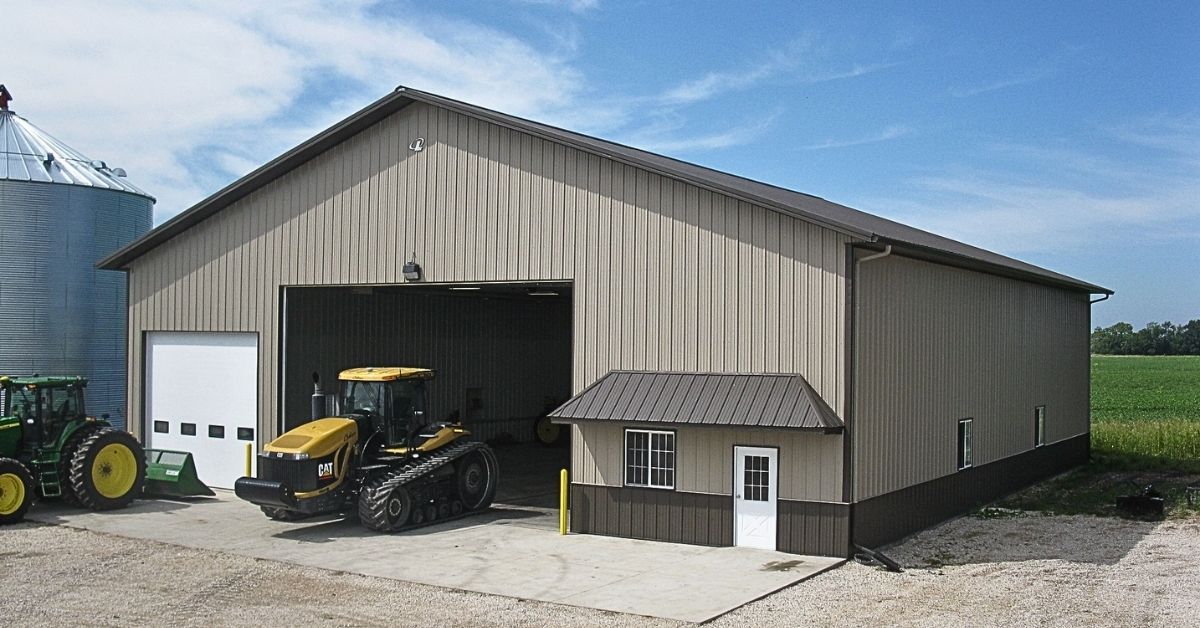
Daylight brings comfort, high color quality, and zero energy costs during daylight hours. Windows, clerestories, and skylights reduce the need for artificial light on bright days. However, cloud cover, short winter days, and glare control create limitations. Diffusing daylight with proper glazing or shades will be necessary for reducing hot spots and heat gain.
LED Lighting
LEDs deliver exceptional efficiency, long life, and strong color rendering in many models. Instant-on performance works well in cold climates and unheated areas. Dimmable fixtures pair nicely with sensors and schedules for savings. Quality varies by manufacturer, so look for reputable sources and appropriate color temperatures for shop tasks.
Fluorescent Lighting
Legacy fluorescent fixtures appear in many farm shop buildings. They provide broad, diffused light and reasonable efficiency. Downsides include flicker, lower performance in cold conditions, and mercury content, which requires careful disposal once it’s time to get rid of the bulb.
Incandescent Lighting
Incandescent bulbs offer warm color, but they also consume more energy and run hot. Short lifespans and outdated efficiency ratings limit their usefulness in modern shops beyond aesthetic implementations. Replacing these with LED lamps or fixtures in work areas reduces electricity use and maintenance needs.
Factors To Consider When Choosing Lighting
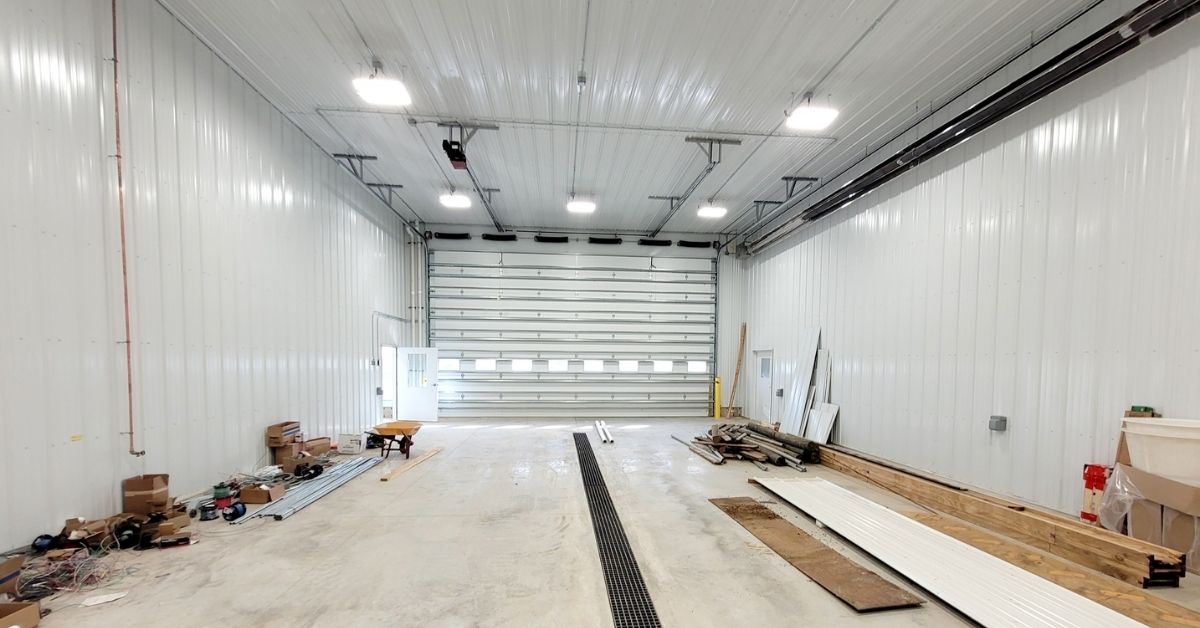
Size and layout shape your solution. Taller ceilings need higher-output fixtures or tighter spacing to achieve even coverage. Wide bays require careful row alignment to avoid stripes of dark and bright areas. Aisles, doorways, and vehicle paths need consistent illumination.
Task requirements vary throughout the shop. Welding areas, parts washing, and engine tear-down benches each demand different light levels. Aim to keep higher light levels at precision workstations with adjustable task fixtures that reduce shadows. General circulation areas can use lower levels without sacrificing usability.
Energy efficiency drives long-term savings. LEDs paired with smart controls minimize wasted watts. Occupancy sensors in storage rooms and service bays reduce runtime. Smart scheduling can cut after-hours usage while maintaining safety lighting where needed.
Color rendering helps with accurate wiring, finishes, and fluid checks. Look for a high CRI rating, ideally 80 or above, so colors look true. Color temperature matters as well. Neutral white in the 4000K range balances brightness and comfort for mixed shop tasks.
Finally, think about the smaller aspects of light distribution. Uniform lighting reduces eyestrain and increases precision. The right lensing and fixture spacing fight glare on glossy surfaces and machine panels. Additionally, uplighting in tall shops can help soften contrast, especially near walls and under mezzanines. The layout of your shop will ultimately define how light moves through it.
.jpg "LesterBuildingSystemsLLC-411100-properly-lighting-building-ImageB1-(1).jpg")
Tips for Optimizing Lighting
Layering Your Lighting
Layered lighting creates flexibility. Ambient fixtures handle everyday tasks and general movement. Task lights target benches, drill presses, vises, and electrical panels. Accent light highlights tools and storage zones, making fast retrieval easier without overlighting the whole shop.
Placing Your Lighting
Proper placement prevents frustrating shadows. Align rows parallel to workbenches and vehicle bays. Keep fixtures out of direct sightlines where possible to control glare. Place task lights in front of the user’s head position, not behind, to eliminate hand shadows on fine work.
Maintaining Illumination
Regular maintenance keeps brightness consistent. Dust, fumes, and pollen coat lenses and reduce output over time. Simple cleaning schedules restore performance. LED lifespans stretch for years, yet periodic inspections catch dimming drivers or isolated failures before they cause uneven light.
Use Technology to Your Advantage
Smart controls add convenience and savings. Occupancy and vacancy sensors reduce wasted light in low-traffic areas. Dimmers help fine-tune brightness for finishing work or screen tasks. Daylight harvesting uses sensors to balance natural light with artificial light, keeping levels steady while lowering energy use.
Creating an Effective Workspace
Increased productivity comes from lighting that supports concentration while reducing fatigue. Crisp, consistent light encourages accurate hand-eye coordination during intricate repair work. With proper illumination, workers can complete more tasks in fewer steps—after all, they can see exactly what they are doing.
Reduced error rates also follow that improved visibility. Clear contrast and strong color fidelity help identify leaks, wiring sleeves, gasket edges, and paint defects. The need for reworking drops when technicians catch issues on the first pass, and less rework shortens downtime for key equipment.
Improved safety results from even coverage, targeted task light, and minimal glare. Hazards stand out sooner. Vehicles and lifts move more confidently when all corners and walk paths remain visible. Well-lit exits and service panels simplify emergency responses.
Light the Shop and Lift Your Work
Farm shops thrive when lighting supports real work, not just square footage. A balanced plan that addresses safety, efficiency, and clarity will pay off every day. The right mix of ambient, task, and controlled lighting brings out the best in people and equipment.
Success starts with a clear layout, efficient LED technology, and thoughtful color quality. Maintenance and smart controls keep that performance steady through seasons and schedule changes. Small upgrades, like a better bench light or cleaner lenses, can deliver big wins.
Don’t let your farm shop building look and feel unfinished. Confidence in your space comes from properly lighting your farm shop, and the benefits come through as fewer mistakes, faster turnaround times, and safer movement throughout the building.
Ready to elevate your space and make the most of your farm shop buildings? Explore farm shop solutions from Lester Buildings and bring a brighter, more productive shop to life. Use today to start planning a lighting-ready design that works as hard as you do.