
Best Ways To Heat and Cool a Pole Barn Structure
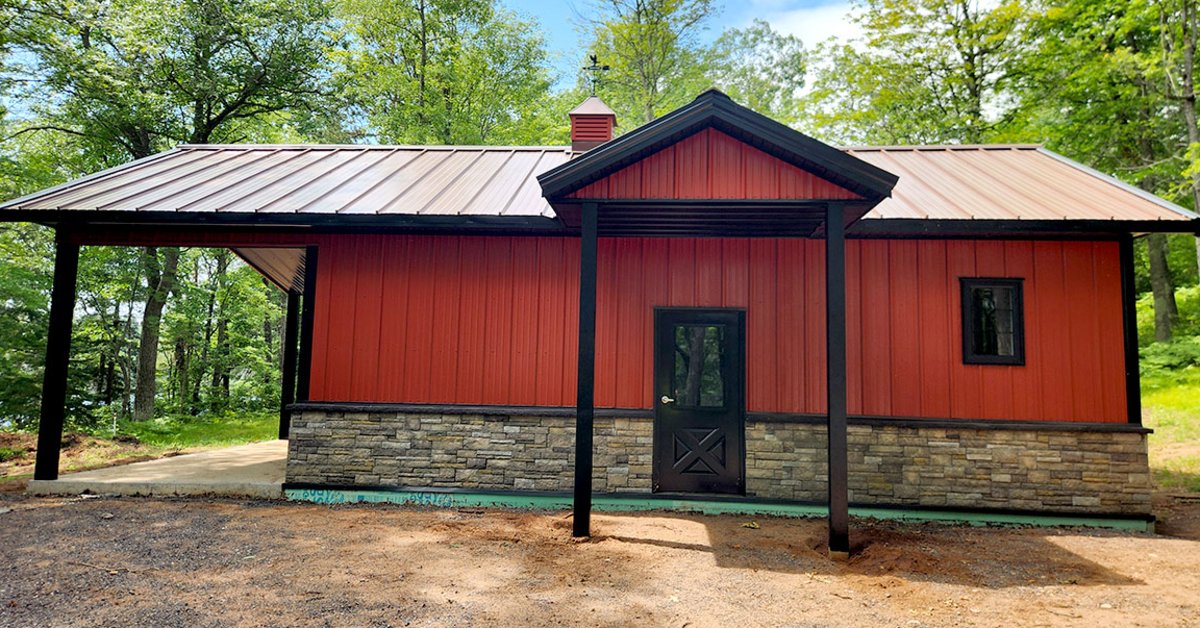
Pole barn buildings support everything from workshops and agricultural operations to commercial storage and hobby spaces. No matter how you use your building, indoor comfort matters. Temperature swings can affect productivity, equipment performance, and overall usability throughout the year.
Owners need to understand ways to successfully heat and cool a pole barn structure before building or upgrading their spaces. For owners of steel building pole barns, the right combination of insulation, ventilation, and HVAC solutions can create a more comfortable and energy-efficient environment.
The ideal setup depends on your climate, how often you use the building, and whether you need full-time temperature control or seasonal comfort improvements.
Start With Insulation Before HVAC
Heating and cooling systems work far more efficiently when the building is properly insulated. Without insulation, warm air escapes during winter and excessive heat builds up during summer.
Roof and wall insulation both play an important role in stabilizing indoor temperatures. Insulation also helps reduce condensation, which can damage tools, machinery, and stored materials over time.
Many steel building pole barns use fiberglass, spray foam, or rigid board insulation, depending on the building’s purpose and budget. Spray foam insulation is especially effective in many cases because it’s so good at sealing small gaps.
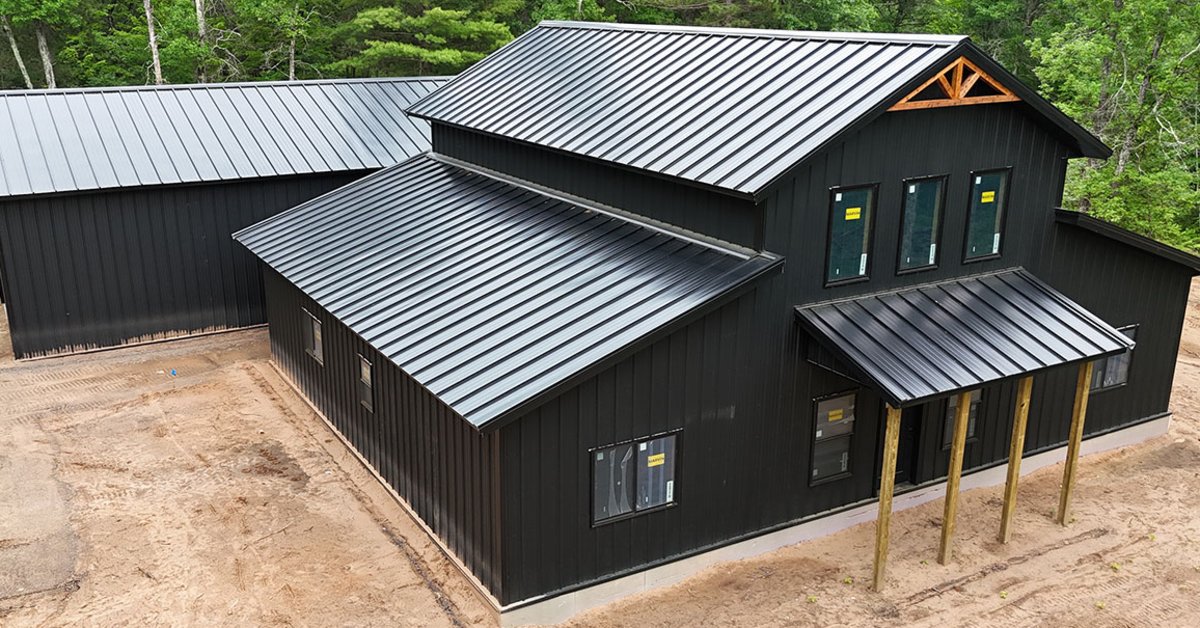
Improve Airflow With Proper Ventilation
Ventilation is one of the most overlooked parts of climate control. Even well-insulated buildings can become uncomfortable if air does not circulate properly.
Natural ventilation systems help move warm air out of the building while drawing in cooler outside air. Ridge vents, soffit vents, and wall openings all improve airflow without increasing energy use.
Good ventilation also helps manage moisture and condensation inside steel building pole barns. This becomes especially important in agricultural buildings, workshops, and equipment storage areas.
Many owners take ventilation a step further by installing circulation fans or exhaust fans to improve airflow during warmer months. Combined with insulation, ventilation creates a more balanced indoor environment year-round.
Radiant Floor Heating Delivers Even Heat
Radiant floor heating remains one of the most effective heating options for pole barn structures. These systems circulate warm water through tubing installed beneath the concrete floor.
Because the heat rises evenly from the floor, the entire building receives even warmth, meaning no cold stalls or offices. This is especially helpful in large open buildings with tall ceilings where warmth will be harder to maintain.
Radiant floor systems offer several benefits, including:
- Consistent heat throughout the building
- Quiet operation with minimal maintenance
- Improved comfort for workshops and commercial spaces
Forced-Air Systems Provide Flexible Climate Control
Forced-air HVAC systems remain a popular option because they provide both heating and cooling within one system. These setups work well for pole barns that need year-round climate control.
Modern forced-air systems can efficiently heat and cool office areas, workshops, and multi-use spaces when paired with proper insulation. Some owners also use zoned systems to control temperatures in different parts of the building separately.
However, large open buildings can create airflow challenges if the system is undersized or poorly planned. Working with experienced building professionals helps you ensure your system matches the structure’s size and usage needs.
Mini-Split Systems Work Well for Smaller Spaces
Mini-split systems have become increasingly common in post-frame buildings because they provide targeted heating and cooling without requiring ductwork.
These systems work especially well for:
- Office spaces inside larger buildings
- Hobby shops and workshops
- Buildings with limited climate-control needs
Mini-splits also offer strong energy efficiency because owners can heat or cool only the areas they actively use. For many steel building pole barns, this creates a practical balance between comfort and operating costs.
Ceiling Fans Improve Heating and Cooling Efficiency
Ceiling fans support both heating and cooling systems by improving air circulation throughout the building.
During summer, fans help create airflow that makes the interior feel cooler. In winter, reversing the fan direction pushes trapped warm air back toward the floor.
This simple switch contributes to more consistent temperatures while reducing strain on heating systems. Large-diameter ceiling fans are especially useful in buildings with tall ceilings and open floor plans.
Building Orientation Can Affect Indoor Comfort
The position of your building on the property can influence heating and cooling performance. Sun exposure affects how much heat enters the structure throughout the day.
South-facing walls and roofing often receive the greatest amount of direct sunlight. Strategic placement of windows, overhangs, and shaded areas can help reduce heat gain during warmer months.
Lighter-colored roofing materials may also reflect more sunlight and reduce interior heat buildup. Planning around sun exposure early in the design process can improve long-term energy efficiency.
Don’t Ignore Moisture Control
We’ve touched on the idea of moisture management several times, and that’s because it’s vital in these buildings, no matter their purpose. Excess humidity can make spaces feel uncomfortable while increasing the risk of condensation and mold growth, which put belongings at risk.
Proper ventilation, vapor barriers, and sealed openings help control moisture inside the building. Consistent airflow also protects insulation performance and improves indoor comfort.
This factor is especially important for steel building pole barns used for equipment storage, workshops, or commercial operations, where moisture can destroy materials over time.
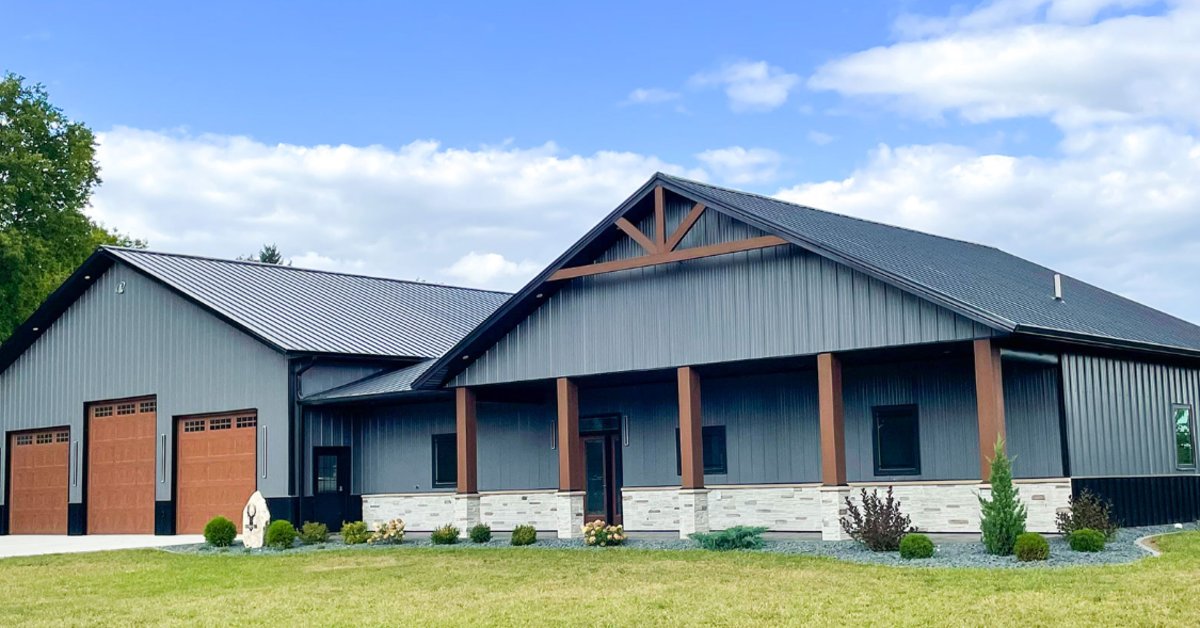
Match Your System to the Building’s Purpose
Every pole barn has different climate-control needs. A storage building may only require ventilation and occasional heating, while a commercial workshop might need full-time HVAC systems.
Think about how you currently use the building and how those needs may change later. Planning for future upgrades during construction can make later improvements much easier.
Effectively heating and cooling a pole barn structure comes down to thoughtful planning, quality materials, and systems that match your building’s intended use.
At Lester Building Systems, we help property owners design steel building pole barns that support comfort, efficiency, and long-term performance. Our team can guide you through insulation, ventilation, and custom climate-control considerations that fit your goals. We also encourage you to explore the MyLester Design® tool, our custom 3D design program that helps visualize your building before construction begins.
If you are ready to design a more comfortable and efficient post-frame building, connect with Lester Building Systems to start planning a structure tailored to the way you work.