
How To Balance Style and Function in a Barn Home
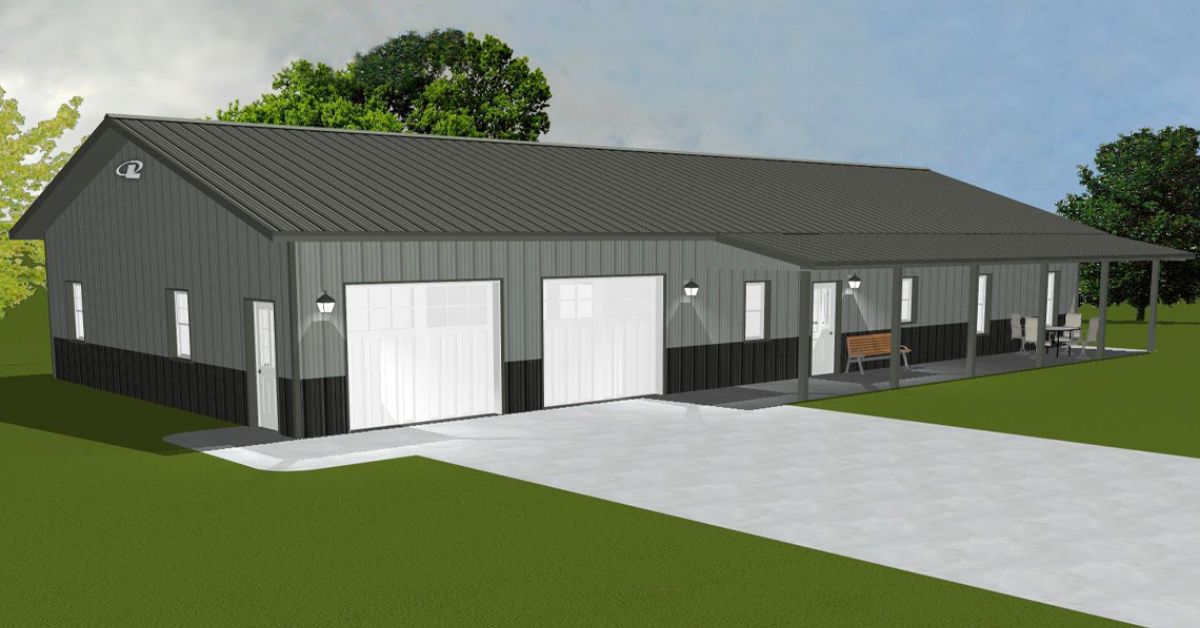.jpg "LesterBuildingSystemsLLC-422856-Style-and-Function-blogbanner1-(1).jpg")
Barn homes have become increasingly popular for homeowners who want open space, rural charm, and practical living. When designed thoughtfully, these homes combine the durability of post-frame construction with the warmth and comfort expected in a modern residence. The key challenge is ensuring the structure works as well as it looks.
Homeowners planning residential pole buildings often want both aesthetic appeal and everyday usability. Striking that balance requires careful planning around layout, materials, and design features. With the right approach, it is entirely possible to balance style and function in a barn home without sacrificing comfort or practicality.
This guide walks through design strategies that help homeowners create barn homes that both look beautiful and support their residents.
Why Style and Function Both Matter in Barn Homes
Barn homes stand out because they blend rustic inspiration with modern living. However, focusing too much on aesthetics can lead to layouts that feel impractical, while prioritizing utility alone may result in a home that lacks character.
A successful design brings these elements together. The goal is to create a home that feels welcoming while still supporting daily routines, storage needs, and long-term durability.
Barn homes built using post-frame construction are particularly suitable for this balance. The structural system allows for wide open interiors and flexible layouts, which gives homeowners more freedom to design spaces that look great and work efficiently.
Start With a Functional Floor Plan
The foundation of any well-designed barn home is the floor plan. Before choosing finishes or design accents, it is important to think about how residents will actually use the space.
Post-frame construction allows for large open areas without interior load-bearing walls. This makes it easier to design spacious living areas, flexible rooms, and practical storage spaces.
A strong floor plan should consider:
- Open living spaces that create a natural flow between kitchen, dining, and living areas
- Practical storage areas such as mudrooms, closets, or integrated garage space
- Private zones for bedrooms and offices to maintain quiet and comfort
When you plan for these elements from the start, you can focus later visual efforts on enhancing a space you already know will work.
Plan Storage and Utility Spaces Carefully
While aesthetics often get the most attention, practical storage and utility areas are essential for everyday living.
Barn homes often attract homeowners with hobbies, equipment, or outdoor lifestyles. That means storage planning should be part of the design process from the beginning.
Utility spaces to plan for in your building may include:
- Mudrooms to manage boots, coats, and outdoor gear
- Attached garages or workshops
- Built-in cabinetry or loft storage
- Laundry rooms designed for efficiency
Use Materials That Support Both Design and Durability
Material choices play a major role in creating a barn home that feels both attractive and practical. The best materials combine visual appeal with long-term durability and ease of maintenance.
Many homeowners choose materials that reflect the agricultural roots of barn-style architecture. At the same time, those materials must hold up to daily wear and environmental conditions.
Popular material choices for barn homes include:
- Steel siding for durability and low maintenance
- Wood accents to add warmth and rustic character
- Energy-efficient windows that bring in natural light
- Durable flooring that handles traffic and outdoor gear
These materials allow homeowners to maintain the classic barn-inspired appearance while ensuring the home performs well over time.
Design Open Spaces Without Sacrificing Comfort
One of the defining characteristics of barn homes is their open interior design. Large living areas and vaulted ceilings can create an impressive visual impact.
However, without thoughtful planning, open spaces may feel overwhelming or less comfortable for everyday living.
The solution is to use design techniques that create natural zones within the larger space. Furniture placement, ceiling details, and lighting can help define areas without requiring walls.
For example, a kitchen island may serve as a visual divider between cooking and living spaces. Exposed beams or ceiling changes can also help you establish separate zones within an open floor plan.
These subtle design elements maintain openness while making the space feel intentional and comfortable.
Blend Rustic Character With Modern Features
Barn homes often draw inspiration from traditional farm structures, but today’s homeowners still expect modern amenities. The challenge is integrating those features without losing the barn-style aesthetic.
A successful approach mixes rustic textures with contemporary finishes. This combination keeps the design grounded.
Common ways to achieve this balance include:
- Pairing exposed wood beams with modern lighting fixtures
- Combining metal siding or roofing with warm interior wood finishes
- Using large windows to brighten traditionally rustic spaces
These design choices help barn homes feel both timeless and current.
Prioritize Natural Light and Energy Efficiency
Natural light is one of the most effective ways to enhance both style and functionality. Large windows not only brighten interiors but also help create a strong connection between indoor and outdoor spaces.
Energy-efficient design should also be a priority. Proper insulation, window placement, and ventilation all contribute to long-term comfort and operating costs.
Post-frame construction makes it easier to incorporate large window openings and open interiors, which can maximize daylight throughout the home.
Thoughtful window placement can highlight scenic views, brighten living areas, and improve overall energy performance.
Exterior Design Sets the Tone
The exterior appearance of a barn home plays a major role in how the building feels overall. The goal is to maintain the recognizable barn-inspired form while adapting it to residential living.
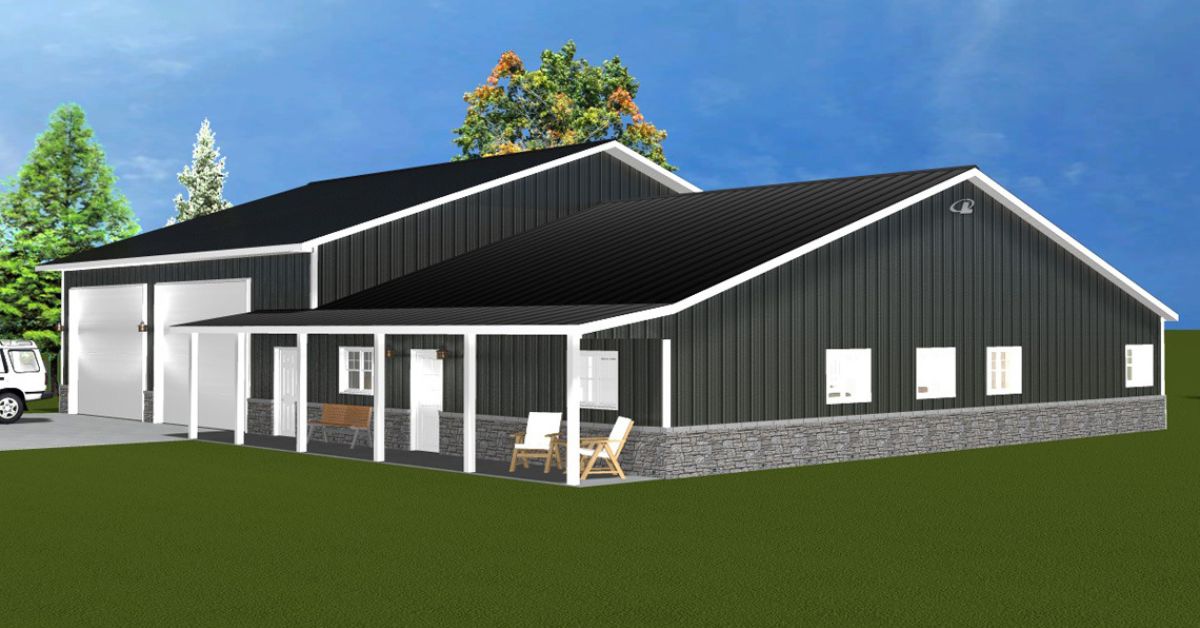
Rooflines, siding colors, and trim details all contribute to the overall style. Many homeowners choose clean, simple designs that emphasize the structure’s agricultural roots.
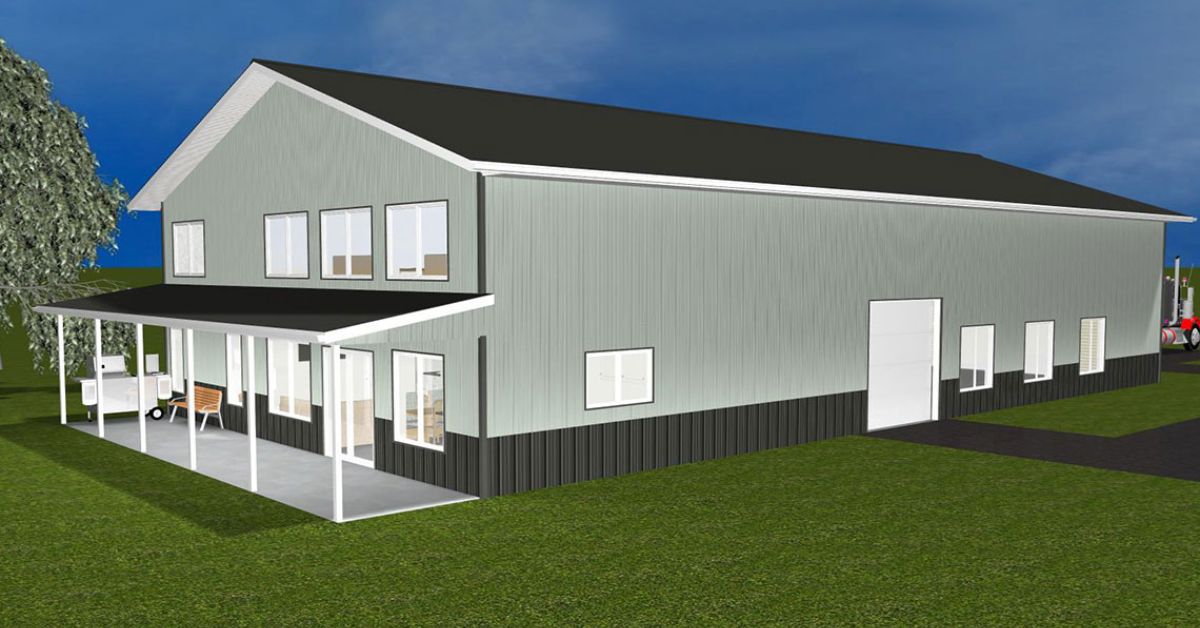
At the same time, exterior features should support the home’s functionality. Covered porches, entryways, and outdoor spaces help create a welcoming and practical environment.
With careful design, the exterior becomes both visually striking and highly functional.
Work With a Builder Experienced in Barn Homes
Designing a barn home involves unique considerations compared to traditional residential construction. Working with experienced professionals and thoughtful design tools can help homeowners considering residential pole buildings bring their ideas to life. Lester Buildings offers custom solutions and digital design resources that help homeowners visualize and create barn homes tailored to their needs.
With the right planning and design approach, homeowners can successfully balance style and function in a barn home and create a living space that performs beautifully for years to come.