
How To Choose the Right Location for Your Pole Barn
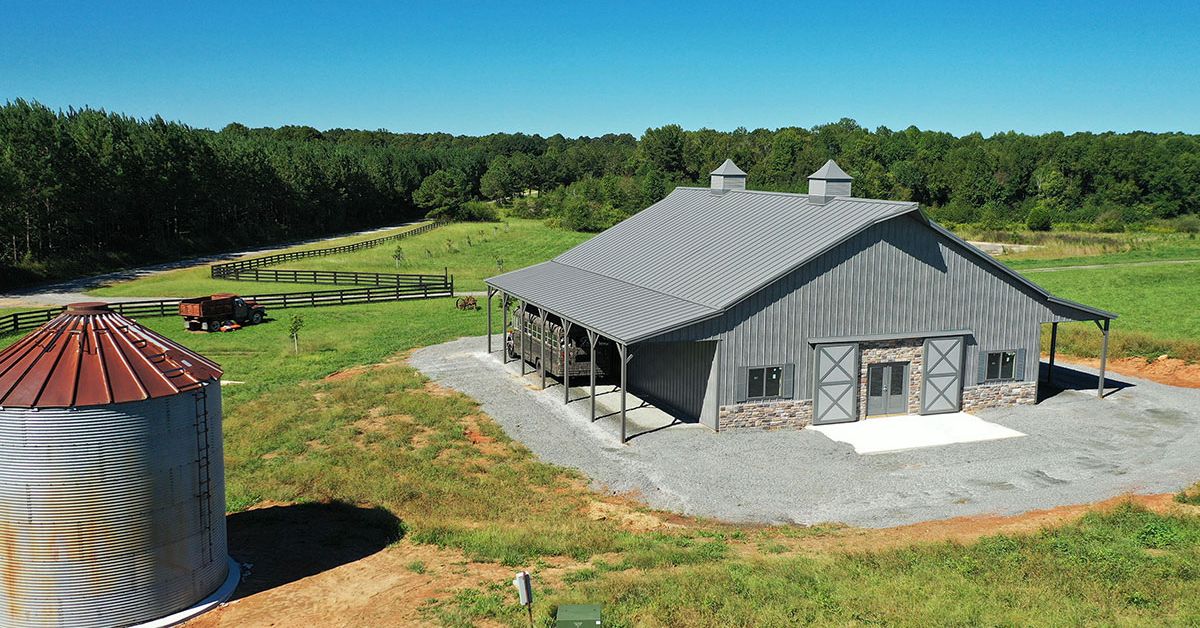
Building a post-frame structure is an exciting step, whether it’s for agricultural operations, commercial storage, or a hobby space. Before design details and finishes come into play, one decision sets the stage for long-term performance: where the building will sit on your property. Knowing how to choose the right location for your pole barn helps protect your investment and ensures your building works the way you intend.
For owners considering metal pole barns for equipment storage, livestock, workshops, or business use, location will directly affect accessibility, durability, and overall functionality. A well-positioned building supports daily operations and reduces future headaches. However, a poorly positioned one can create drainage problems, limit expansion, or complicate access.
This guide walks through the most important factors to consider so that you can make a confident, informed decision.
Start With Property Layout and Long-Term Plans
Before staking out a footprint, take a step back and evaluate your entire property. Consider how your current layout supports traffic flow, utilities, and future development. Even if you only plan to build one structure today, your long-term goals should influence placement.
Think about how you use the land now and how that might change. Will you add additional buildings later? Do you anticipate expanding your agricultural or commercial operation? Placing your pole barn in a central, strategic location can preserve flexibility.
Positioning also impacts visual appeal and property value. For hobby or residential storage use, you may want the building set back from the main residence. For commercial or agricultural use, proximity to fields, livestock areas, or loading zones may be more important.
Evaluate Drainage and Soil Conditions
Drainage is one of the most critical site selection factors. Even high-quality metal pole barns can experience issues if water consistently pools around the structure. Proper grading and natural slope help move water away from the building footprint.
Look for slightly elevated areas on your property. Avoid low-lying spots where runoff collects after heavy rain or snowmelt. If your preferred location has minor drainage concerns, site preparation and grading can help, but starting with solid natural conditions is ideal.
Soil stability also matters. Post-frame construction relies on properly embedded structural columns. A building professional can evaluate soil type and bearing capacity to ensure the site supports long-term structural performance.
Confirm Zoning and Permit Requirements
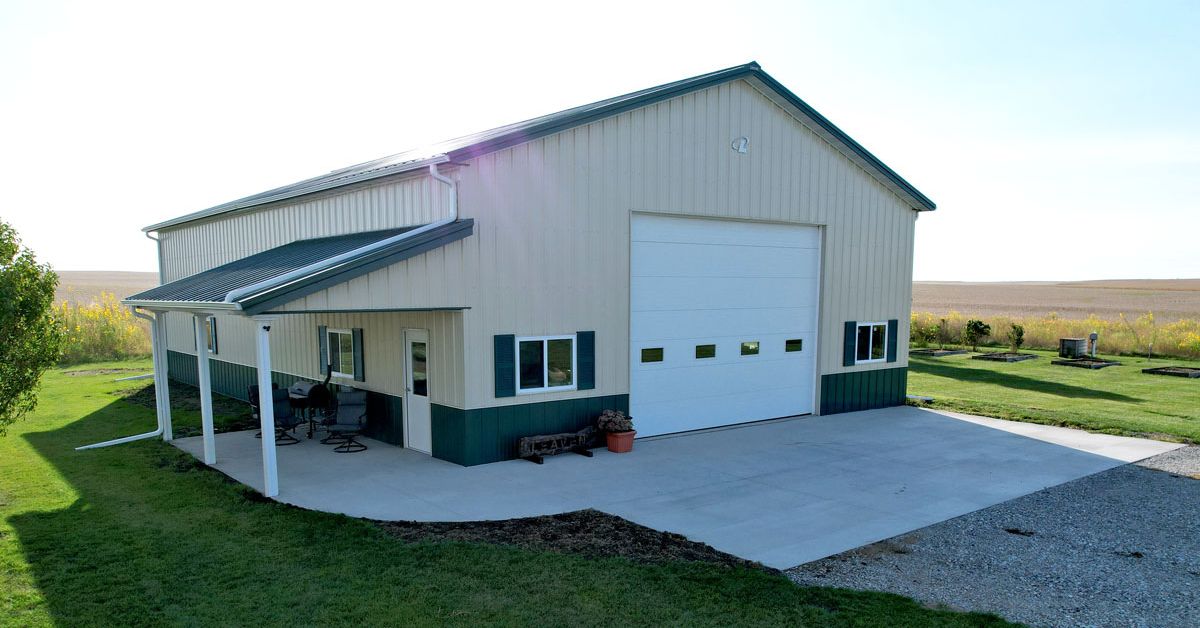
Local regulations can significantly influence where you build. Zoning rules, property setbacks, and height restrictions vary by county and municipality. Confirm these details early in the planning process to avoid the need for costly changes later.
Pay attention to:
- Required setbacks from property lines
- Distance from roads or easements
- Utility and drainage easements
- Height or size restrictions
Placing your building too close to a boundary line can create compliance issues and delay your project. Reviewing these requirements in advance keeps your timeline on track.
If your property includes septic systems, wells, or other utilities, verify minimum distance requirements. This extra bit of planning will ensure safety, code compliance, and uninterrupted operation.
Consider Access and Traffic Flow
Access affects daily efficiency, especially for agricultural and commercial uses. Equipment, delivery vehicles, and trailers need adequate turning radius and entry clearance. Even for hobby storage, you want convenient access year-round.
Position your building with driveways and entrances in mind. Consider snow removal patterns if you’re in a northern climate. A building tucked behind natural windbreaks may reduce drifting, while a well-planned driveway can simplify plowing.
Also consider interior flow once inside the building. Door placement and orientation should align with how you move equipment or materials in and out.
Protect Existing Utilities and Infrastructure
Before finalizing placement, map out all underground and overhead utilities. Water lines, electrical service, gas lines, and septic systems must remain accessible and protected.
Call your local utility locating service before excavation begins. Relocating utilities after construction is costly and disruptive. Choosing a location that works with existing infrastructure simplifies installation and long-term maintenance.
If you plan to add electrical service, plumbing, or specialized systems, consider how easily those connections can be extended to the building. Shorter runs often reduce cost and complexity.
Account for Future Expansion
Many property owners underestimate how quickly their space needs grow. Whether it’s more equipment, expanded livestock operations, or business growth, additional space often becomes necessary.
When selecting a location, leave room on at least one side for future expansion. Post-frame construction offers flexibility, but physical space must be available. Avoid placing the building in a corner of your property where expansion becomes difficult or impossible.
Planning ahead now can save significant time and cost later. Even if expansion is only a possibility, preserving that option is wise.
Balance Visibility and Privacy
For commercial buildings, visibility from the road may support branding and accessibility. Clear sightlines can also improve customer convenience. For residential or hobby buildings, privacy may be a higher priority.
Consider landscaping, tree lines, and natural screening when selecting your site. A location that balances access with aesthetics enhances overall property appeal. Thoughtful placement also ensures your building complements existing structures.
Coordinate With Building Design
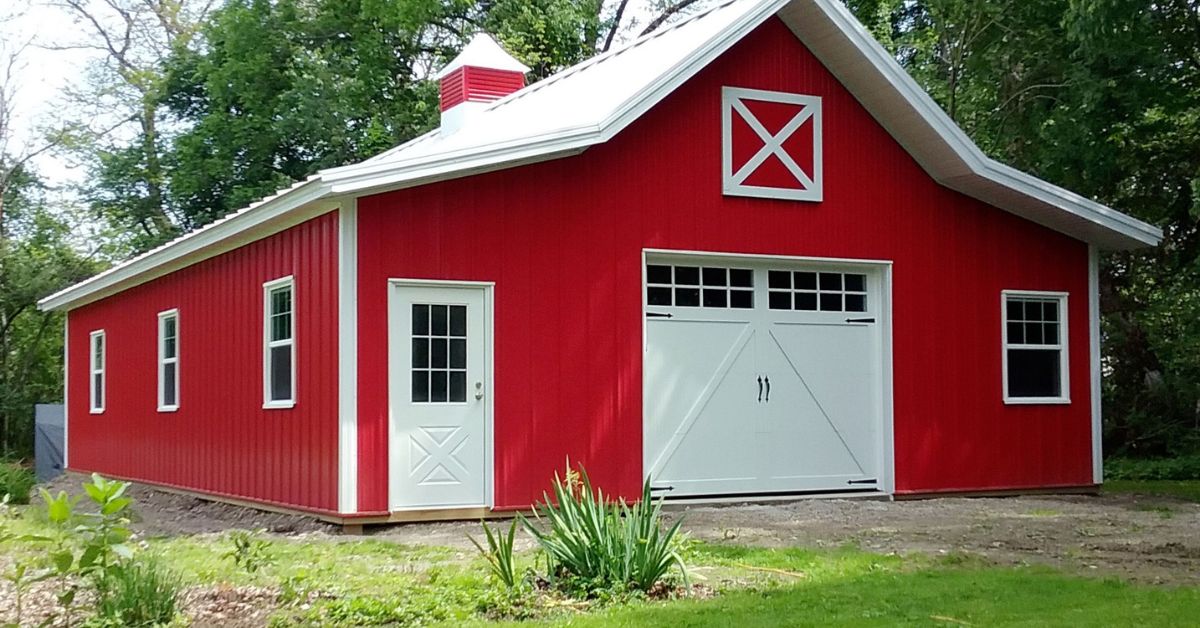
Your final site choice should align with your building’s design features. Roof pitch, door size, overhangs, and interior layout all interact with location. Reviewing these elements together creates a cohesive plan.
Work collaboratively with experienced professionals who understand post-frame construction. Their insight ensures the site can support structural performance and long-term durability. This is especially important for metal pole barns designed for agricultural or commercial demands.
Customization options allow you to tailor your building to your operation. Choosing the right location makes those customization decisions more effective.
Common Site Selection Mistakes To Avoid
Even experienced property owners can overlook key details. Being aware of common pitfalls helps you avoid unnecessary complications.
- Building in a low area without addressing drainage
- Ignoring future expansion needs
- Overlooking setback or zoning requirements
Each of these mistakes can increase costs or limit functionality. Careful planning at the beginning protects your investment.
Work With Experienced Professionals
Site selection is not just about picking an open patch of land. It involves evaluating soil, slope, access, utilities, and long-term property goals. Working with a knowledgeable building provider simplifies the process.
Experienced teams can help assess your site and identify potential challenges early. They understand how post-frame systems perform in different conditions and can guide adjustments as needed. This collaborative approach reduces risk and improves outcomes.
Final Thoughts on Site Selection
Taking the time to choose the right location for your pole barn is one of the most important steps in the entire project. Location affects performance, accessibility, compliance, and future flexibility. Thoughtful planning today prevents the need for costly adjustments tomorrow.
Every property is different, and no single solution fits all situations. By evaluating drainage, zoning, access, utilities, and long-term goals, you can move forward with confidence.
If you’re ready to start planning, explore the custom pole barn solutions provided by Lester Building Systems. Their team can help you design and position a building that fits your property and supports your goals for years to come.