
Pole Barn Homes vs. Stick-Built Homes: 8 Key Differences
.jpg "LesterBuildingSystemsLLC-433654-pole-barn-homes-blogbanner1-(1).jpg")
When planning a new home, the construction method you choose will shape everything from cost to long-term performance. Many homeowners today are comparing traditional construction with newer alternatives, especially as interest in residential pole barn homes continues to grow.
Understanding the differences between pole barn homes and stick-built homes can help you make a more informed decision that aligns with your lifestyle, budget, and property needs. While both options can produce durable, attractive homes, they rely on very different building systems.
This guide breaks down the most important distinctions so you can evaluate which approach works best for your goals.
What Defines Each Building Type?
Before comparing features, it helps to understand how crews construct each type of home. Stick-built homes use a conventional framing method with dimensional lumber, creating walls from closely spaced studs. This approach has been the standard in residential construction for decades.
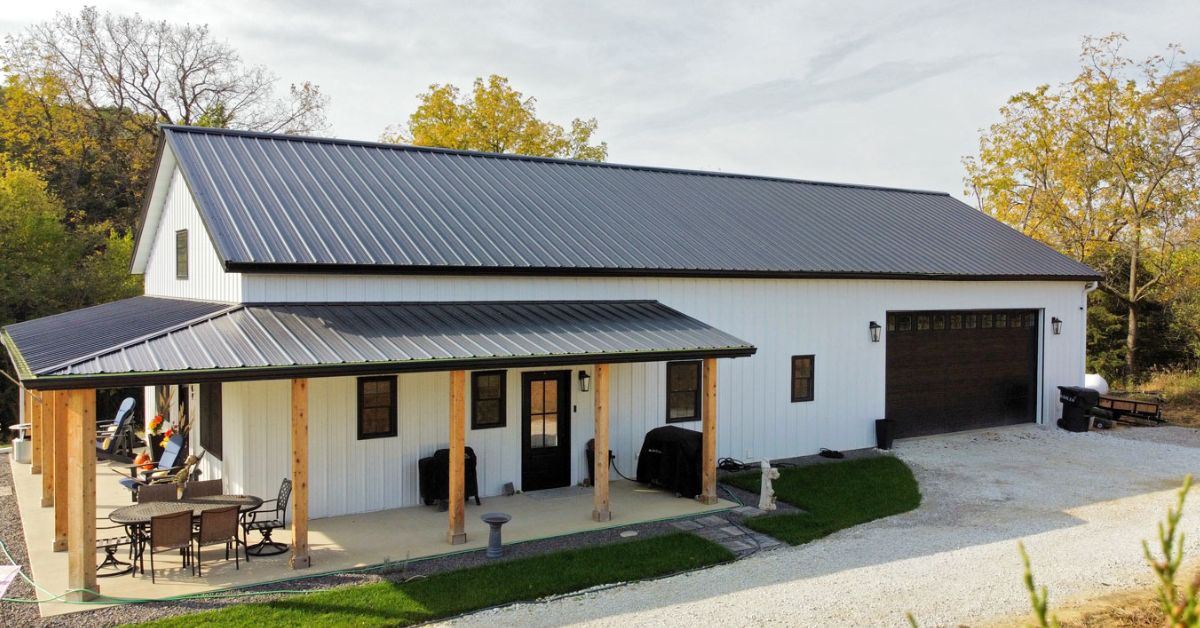
Pole barn homes, also known as post-frame homes, rely on widely spaced structural posts embedded in the ground or mounted to a foundation. These posts support the roof and walls, reducing the need for interior load-bearing walls and allowing for more open layouts.
This structural difference drives many of the key advantages and trade-offs discussed below.
1. Construction Method and Structural Design
The most noticeable difference lies in how each home carries weight and distributes loads. Stick-built homes depend on a network of interior and exterior walls to support the structure. This can limit layout flexibility and require more materials.
Pole barn homes use large vertical posts combined with horizontal girts and trusses. This creates a strong structural system that transfers loads efficiently while minimizing material use.
Because of this design, post-frame construction often accommodates larger open spaces without requiring additional support beams.
2. Cost Considerations
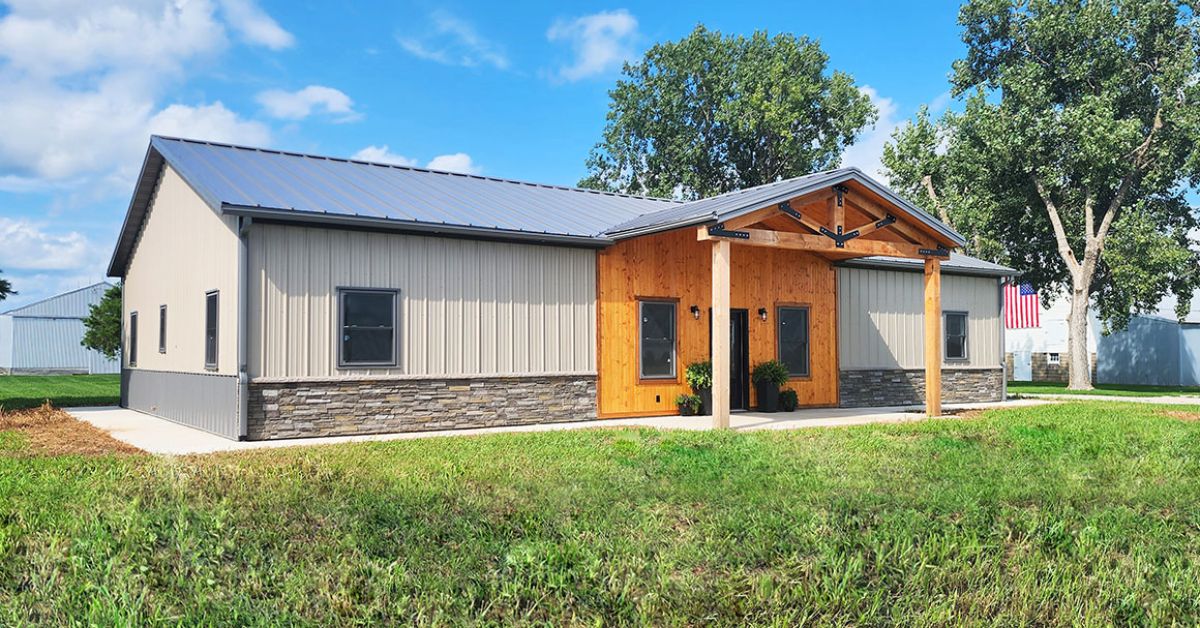
Cost often plays a major role in choosing a building method. Pole barn homes typically require fewer materials and less labor, reducing overall construction costs.
Several factors contribute to this difference, such as:
- Fewer framing members needed due to wider spacing
- Faster construction timelines
- Reduced foundation requirements in many cases
Stick-built homes, while familiar, tend to involve more labor-intensive framing and higher material usage. However, final costs still depend on customization choices, finishes, and site conditions for either option.
3. Construction Timeline
Speed of construction is another key factor. Pole barn homes are often built faster because their structural system simplifies framing and reduces the number of components required.
Crews can complete the shell quickly, allowing interior work to begin sooner. This can be especially valuable for homeowners trying to move in within a specific timeframe.
Stick-built homes usually take longer due to more detailed framing processes and the need to coordinate multiple phases of construction.
4. Design Flexibility and Layout Options
One of the strongest advantages of pole barn homes is design flexibility. The post-frame system allows for wide-open interiors without frequent load-bearing walls.
This makes it easier to create large living areas, workshops, or multi-use spaces within the same structure. Homeowners can also adapt layouts over time as needs change.
Stick-built homes offer flexibility as well, but structural walls can limit how spaces are arranged or modified. Renovations may require additional engineering to maintain structural integrity.
5. Energy Efficiency and Insulation
Energy efficiency depends on the building’s insulation and sealing. Pole barn homes often allow for deep wall cavities, which can accommodate more insulation.
This can lead to improved thermal performance when properly designed and installed. Additionally, fewer framing members can reduce thermal bridging, a common source of heat loss.
Stick-built homes can also achieve strong energy efficiency, especially with modern building practices. However, the higher number of studs can create more pathways for heat transfer without additional measures to address the problem.
6. Foundation Requirements
Foundation design differs significantly between the two building types. Stick-built homes typically require continuous concrete foundations or basements.
Pole barn homes may use embedded posts, concrete piers, or slab-on-grade systems depending on site conditions and design preferences. This flexibility can reduce excavation and concrete costs in some cases.
However, local building codes and soil conditions will ultimately determine the appropriate foundation system for either approach.
7. Durability and Longevity
Both construction methods can produce long-lasting homes when built correctly. Engineers design pole barn homes to handle wind, snow, and other environmental loads effectively.
Their designs distribute stress across fewer structural elements, which can enhance overall stability. High-quality materials and proper installation are critical to ensuring durability.
Stick-built homes also have a long track record of performance. For these homes, durability depends heavily on craftsmanship, material quality, and ongoing maintenance.
8. Customization and Future Use
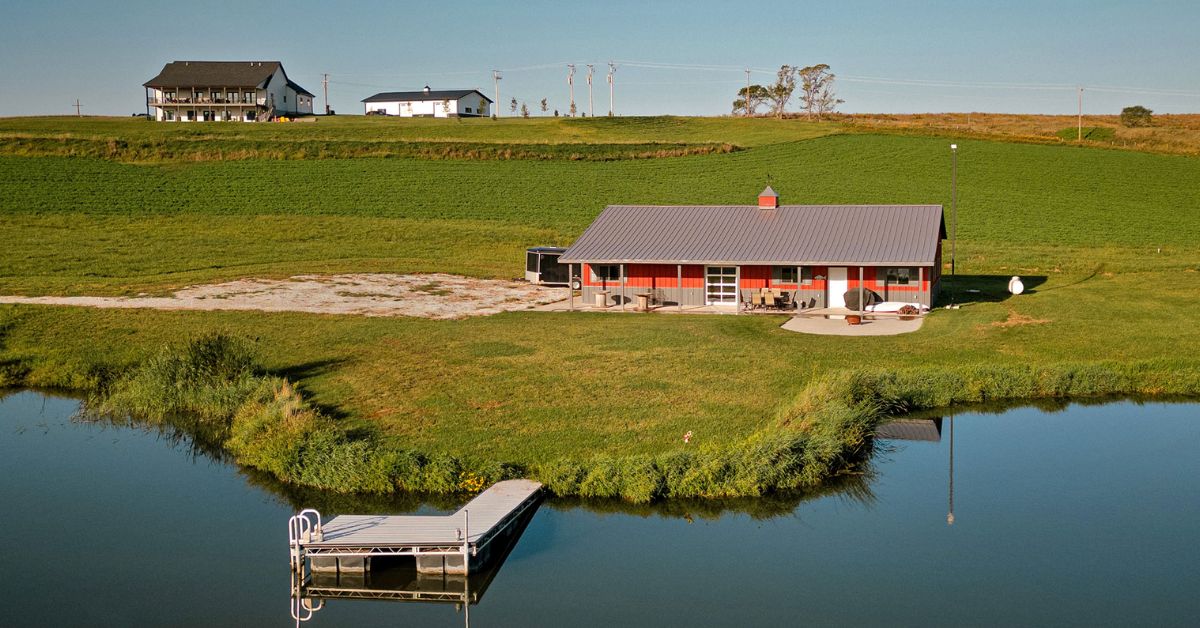
Homeowners often consider how their space might evolve over time. Pole barn homes are well-suited for multi-purpose use, allowing living areas to coexist with storage, workshops, or hobby spaces.
This adaptability makes them appealing for rural properties or homeowners who need flexible space. Post-frame construction also supports large doors, high ceilings, and expanded square footage more easily.
Stick-built homes typically focus on residential use, though additions and modifications are possible. These changes may require more extensive structural adjustments compared to post-frame designs.
Choosing the Right Option for Your Needs
Deciding between these two approaches comes down to your priorities. Consider how you plan to use the space, your timeline, and your long-term goals.
If you value open layouts, faster construction, and flexibility, a pole barn home may align well with your needs. If you prefer a traditional structure or are building in an area with strict residential standards, stick-built construction may be the better fit.
Working with an experienced builder can help you evaluate site conditions, design preferences, and budget considerations before making a final decision.
Comparing What Matters Most
Choosing between these two building methods requires a clear understanding of your priorities. The differences between pole barn homes and stick-built homes ultimately come down to how each system supports your lifestyle, budget, and long-term plans.
If you’re exploring options for your next home, consider how flexibility, efficiency, and construction speed factor into your decision. A well-designed post-frame home can offer advantages that go beyond traditional expectations.
Start Designing Your Custom Home
When you’re ready to explore the possibilities of a post-frame home, you can rely on Lester Building’s tools and expertise to guide your project from concept to completion.
Connect with our team or use the MyLester Design® tool to start planning a residential post-frame structure that fits your vision and your property.