
Reasons To Choose Metal for Agricultural Pole Buildings
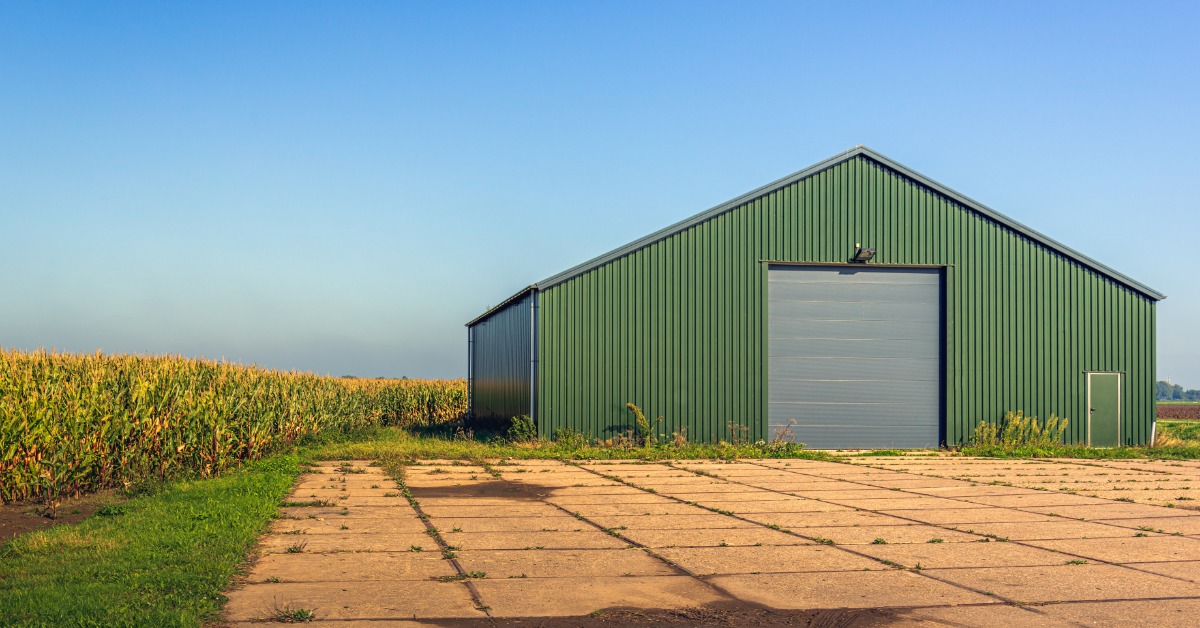
Agricultural buildings face regular exposure to weather while supporting demanding work and protecting valuable equipment. Choosing exterior materials that fit those conditions can affect how well the building serves the operation and how much attention its exterior requires throughout its use. For farm owners planning a new structure, those practical considerations can make the exterior material an important part of the overall building decision.
Understanding the reasons to choose metal for agricultural pole buildings can help owners determine whether the material fits their project and the conditions the building will face. Metal panels can cover both roofs and walls, giving agricultural buildings a durable exterior with options for different functional and visual needs.
Provide a Durable Exterior for Agricultural Use
Farm buildings need exterior materials that can handle the conditions surrounding an active agricultural operation. Machinery may regularly move near the structure, and everyday farm activity can place demands on areas around the building. Selecting materials with those conditions in mind allows owners to plan the exterior around the environment it will encounter during regular use.
Metal roofing and siding provide a durable exterior for post-frame buildings. Quality panels and finishes can support the demands associated with agricultural use while maintaining the practical appearance many farm buildings need. That durability makes metal worth considering for structures expected to remain in regular service as part of an active operation.
Metal products can vary in their specifications, so owners should understand what is included when comparing building options. Differences in the panel and its protective finish can affect how well the material fits the conditions of a particular agricultural project. Reviewing those specifications with the building provider can clarify whether the selected exterior suits the building's expected use.
Reduce Routine Exterior Maintenance
Agricultural buildings already require attention in areas directly connected with the work taking place inside them, so an exterior that does not demand extensive upkeep can benefit a busy operation. Metal panels do not require the recurring painting or staining associated with some other exterior materials, which can simplify routine exterior care. Owners can focus their attention on monitoring the condition of the exterior and responding when a specific area needs maintenance.
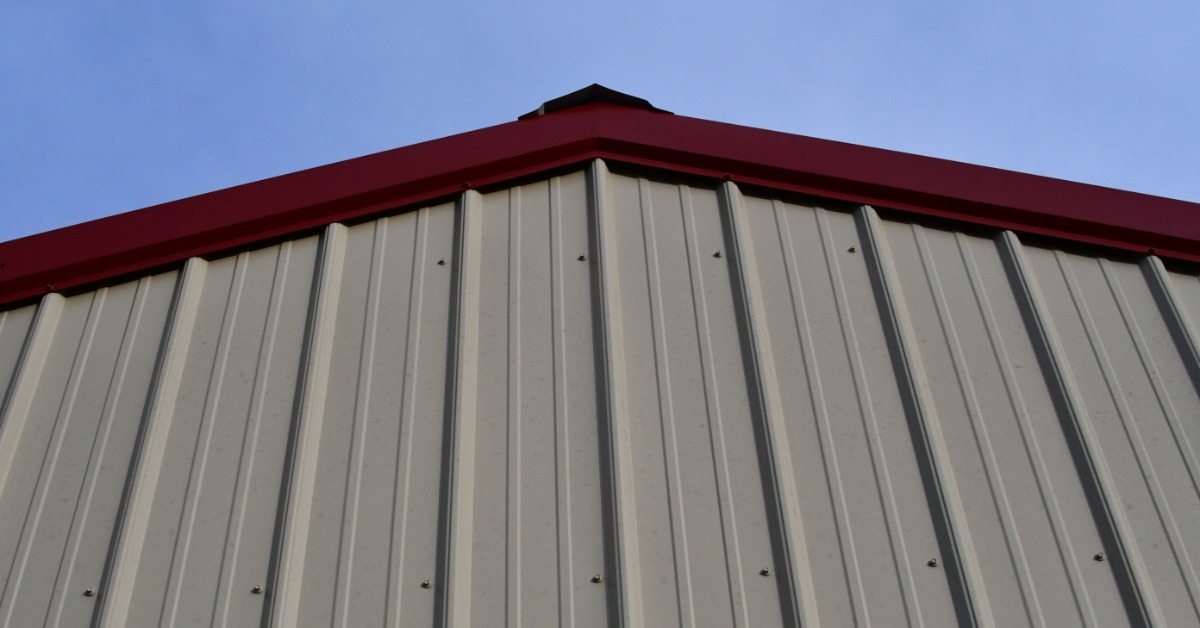
Metal still requires appropriate care to continue performing as intended. Owners should inspect the exterior periodically and address damage when it occurs, particularly after severe weather or activity near the building that could affect a panel. Regular observation can identify areas that need attention before a localized problem affects a larger portion of the exterior.
Protect the Building From Weather Exposure
The roof and exterior walls face direct exposure to precipitation and changing temperatures throughout the year. Metal panels create a protective exterior surface that sheds water and separates the building's structural components from outdoor conditions. For agricultural buildings that remain exposed in open rural settings, maintaining that exterior barrier is an important part of protecting the structure.
The effectiveness of that protection depends on how the exterior handles exposure at different parts of the building. Roof panels need to shed precipitation effectively, while wall panels protect vertical surfaces from conditions reaching the sides of the structure. Appropriate exterior details support those functions where different surfaces meet.
Local climate should also factor into exterior material decisions because agricultural buildings can encounter different levels and types of weather exposure. Conditions at the project location may influence the specifications selected for the exterior. Discussing those conditions during planning allows owners to evaluate metal options based on the environment the building will face.
Use Metal Across Different Exterior Applications
Metal can cover both the roof and exterior walls of an agricultural pole building, allowing owners to use the material across major exterior surfaces. This versatility gives owners a way to carry material choices throughout the structure while accounting for the different functions of the roof and walls. A building can therefore gain the practical benefits of a metal exterior without limiting the material to a single area.
Using metal in multiple applications does not require every exterior surface to have the same finish or appearance. Owners can make separate choices where the project calls for them, allowing the roof and walls to work as parts of one exterior while still meeting the needs of each application. This flexibility can be useful when different portions of the building call for their own design considerations.
Choose an Exterior That Fits the Property
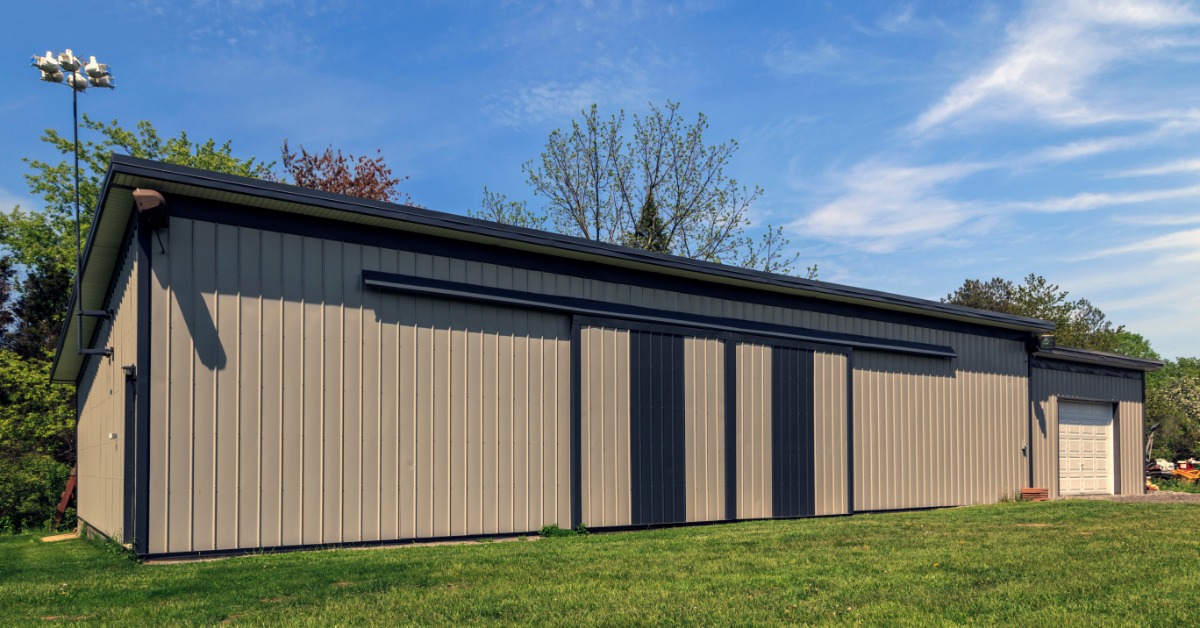
Agricultural buildings serve practical purposes, but their appearance can still matter when owners plan a new structure. Metal panels come in different colors, giving owners opportunities to coordinate a new building with existing structures or select an exterior that fits the surrounding property. That range can be useful on farms where several buildings share the same visible area.
Exterior details can further shape the finished building without changing its primary agricultural function. Owners may coordinate the metal with doors and trim or use contrasting finishes to define portions of the exterior. Making those choices during design allows owners to consider how visible features will work together before construction begins.
Appearance may deserve additional attention when a farm shop or storage building sits near a residence or another highly visible part of the property. A building designed around agricultural work can still contribute to a consistent property appearance. Including those visual considerations in the planning process allows owners to balance the building's working purpose with the way it fits its surroundings.
Match the Exterior to the Building's Purpose
The conditions surrounding an agricultural building can vary depending on how owners plan to use the space. A farm shop or machinery storage building may place different demands on its materials than a facility that houses livestock, making intended use an important consideration during material selection. Identifying the building's working environment gives the building provider more context for discussing appropriate exterior options.
Livestock environments can expose building materials to conditions that require additional consideration when selecting metal products. The materials used for a general storage building may not face the same environment as those installed around animal housing. Discussing the facility's use with the building provider allows the owner to account for those differences when evaluating suitable panels and protective finishes.
Providing specific information about how the building will operate can make material discussions more useful. Owners should explain the conditions the metal may encounter, so the building provider can account for the intended environment when discussing exterior specifications. This keeps material selection tied directly to the building's actual agricultural purpose.
Choose Exterior Materials With Your Farm in Mind
The reasons to choose metal for agricultural pole buildings extend beyond selecting an exterior based on appearance alone. Metal can provide a durable surface that fits demanding agricultural environments while keeping routine exterior care manageable. Its use across roofs and walls also gives owners flexibility to plan an exterior around the building's purpose and the surrounding property.
If your operation needs additional space for equipment, machinery, or other farm uses, agricultural storage buildings can be designed around the way you plan to use that space. We can work with you to develop a custom post-frame building that fits your operation. Contact Lester Buildings to discuss your project and exterior options.