
The Importance of Good Ventilation in Your Horse Stable
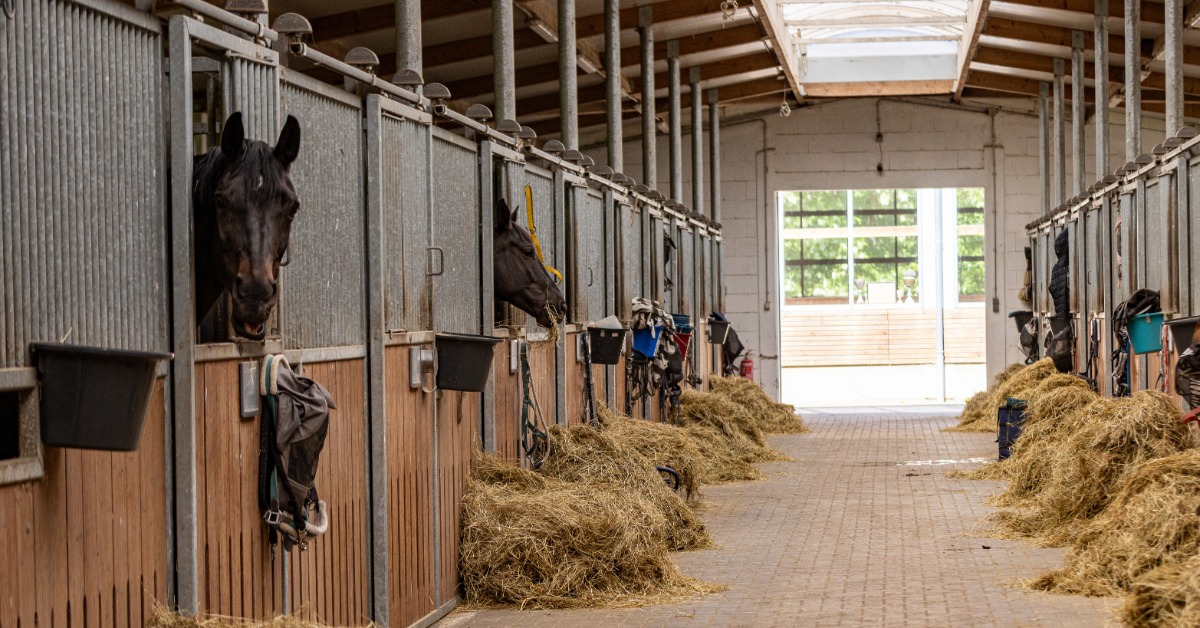
A horse stable needs consistent airflow to maintain a suitable indoor environment as horses, bedding, and daily activities add moisture and airborne contaminants to the space. When fresh air cannot move through the building effectively, those conditions can become more noticeable in stalls and other occupied areas.
Understanding the importance of good ventilation in your horse stable starts with considering how air will enter, move through, and leave the building throughout the year. Planning those airflow paths as part of the stable design can support better indoor conditions across changing weather and seasonal use.
Maintain Better Air Quality Around Your Horses
Although a stable protects horses from outdoor conditions, the enclosed environment also contains bedding, hay, manure, and other materials that can affect indoor air quality. Without enough fresh-air exchange, dust and odors can accumulate in the spaces where horses spend much of their time.
Effective ventilation continually replaces indoor air with fresh outdoor air rather than simply circulating the air already inside the building. Understanding that difference can help owners evaluate whether a stable has adequate air exchange.
Because horses may spend hours inside their stalls, airflow needs to reach occupied areas consistently rather than moving only through open aisles. Considering how fresh air travels through the entire stable can provide a more useful picture of indoor conditions.
Control Moisture Inside the Stable
Every occupied horse stable contains sources of moisture, including the horses themselves and routine activities such as cleaning. When the building cannot release that moisture effectively, humidity can increase and condensation may develop on interior surfaces.
Ventilation gives humid indoor air a way to leave while drier outdoor air enters the stable, which becomes particularly important during colder weather when doors and windows may remain closed more frequently. If condensation regularly appears on interior surfaces, owners should consider whether the building provides enough air exchange as weather and stable conditions change.
Reduce the Buildup of Ammonia and Odors
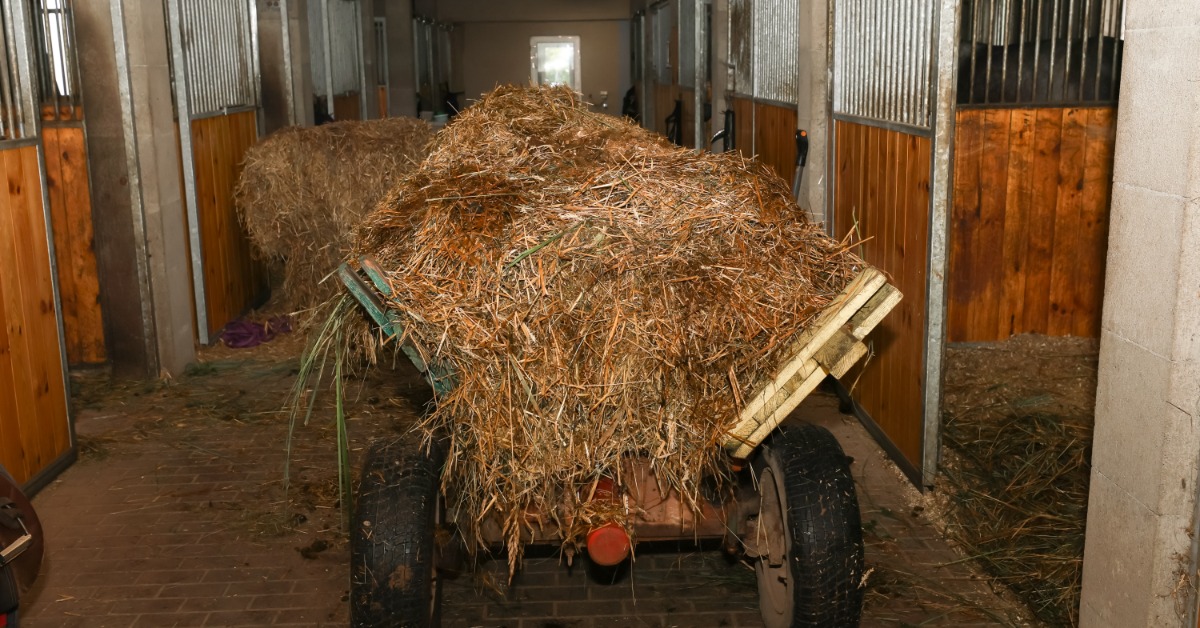
Because manure and urine contribute moisture and ammonia to the stall environment, routine cleaning and ventilation need to work together to maintain better indoor air quality. A stable that retains stale air can allow odors and ammonia to become more noticeable, particularly around wet bedding.
Fresh-air exchange helps dilute airborne contaminants and carry them out of the building, but ventilation does not replace regular stall maintenance. Removing manure and wet bedding addresses contaminant sources, while adequate airflow prevents stale indoor air from remaining trapped within the stable.
Manage Heat During Warm Weather
As outdoor temperatures rise, conditions inside an enclosed stable can also become warmer, especially when the building does not allow enough air to move through occupied areas. Providing greater air exchange during warm weather gives accumulated heat a path out while bringing outdoor air into the stable.
Doors, windows, and other building openings can contribute to warm-weather ventilation when their location allows air to move through the structure. How effectively those openings work depends partly on the stable design and whether interior features obstruct the path between incoming and outgoing air.
Fans may supplement that airflow when the stable needs additional air movement, but circulating indoor air does not accomplish the same thing as replacing it with outdoor air. Considering both functions can help owners avoid treating air movement alone as adequate ventilation.
Maintain Ventilation During Cold Weather
Although colder conditions may lead owners to close a stable more tightly, restricting airflow can also trap moisture and contaminants inside. Maintaining ventilation during winter allows the building to continue exchanging indoor and outdoor air even when large doors or windows cannot remain fully open.
Cold-weather planning should account for how fresh air can enter the stable without creating concentrated drafts in occupied areas. Considering how the building will maintain air exchange across changing seasons can prevent ventilation from depending entirely on openings that owners primarily use during warmer weather.
The way owners operate the stable may also change as temperatures fall, which makes adjustable ventilation useful when conditions vary. Planning for seasonal changes gives owners more flexibility to maintain fresh-air exchange without relying on the same amount of opening throughout the year.
Consider How Stable Design Affects Airflow
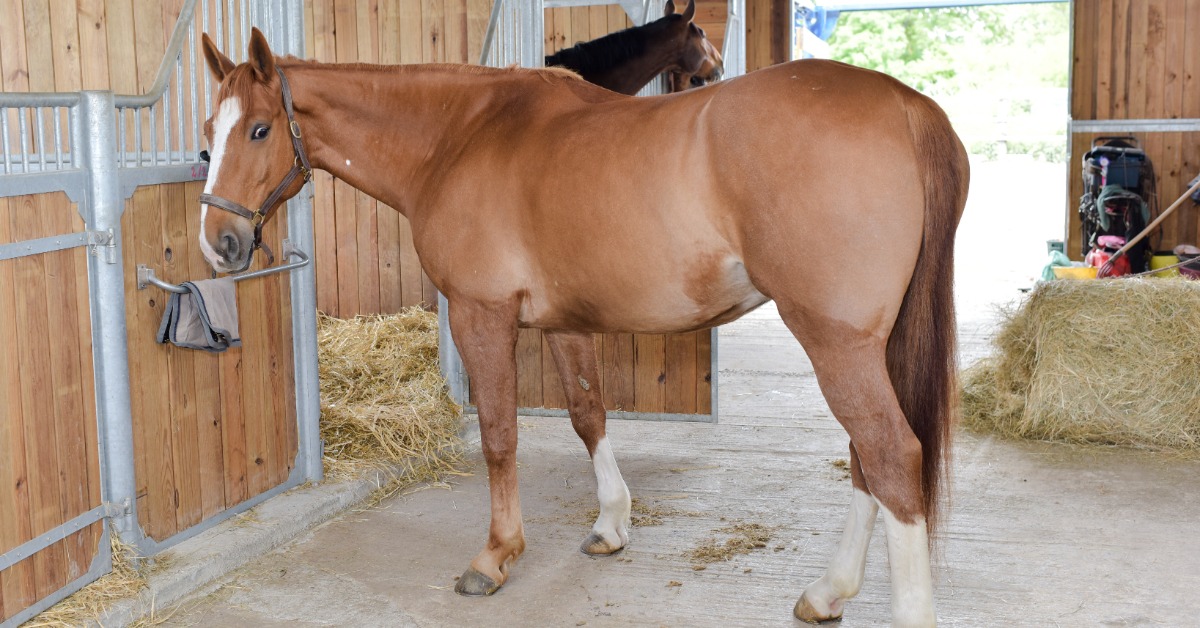
The building layout can influence whether outdoor air reaches occupied areas or simply follows the easiest path through the structure. Exterior openings need to work with the stable's interior configuration so fresh air can move beyond the main aisle and reach individual stalls.
Naturally ventilated stables can use building openings to admit outdoor air while providing another path for stale, moisture-laden air to leave. Interior walls and stall components can also influence that movement, which makes airflow an important consideration when determining how to arrange the stable.
Addressing ventilation while planning the structure gives owners an opportunity to consider airflow alongside the rest of the building layout. Decisions about stall placement and interior divisions can affect the path air takes through the space, so considering ventilation early allows those features to work together. Once permanent features define the interior, changing how air travels through the stable may require additional modifications.
Evaluate How Well Ventilation Works Throughout the Stable
Even when the barn feels open, conditions can vary from one part of the stable to another. Individual stalls may receive different amounts of fresh air depending on their location and the path air takes through the building, so conditions in the main aisle do not always reflect what horses experience in their stalls.
As you assess the stable, pay attention to areas where odors persist or moisture repeatedly collects, along with spaces where the air feels noticeably more stagnant. Checking these conditions during different seasons can give you a clearer picture of how effectively fresh air reaches occupied areas throughout the year.
Plan Ventilation as Part of Your Horse Stable
Good ventilation depends on more than opening a door when the barn feels stuffy. Considering the importance of good ventilation in your horse stable during the planning process allows you to address airflow alongside the other decisions that shape how the building will function throughout the year.
If you are planning pole barn horse stables, we can work with you to develop a custom post-frame building around the needs of your project. Contact Lester Buildings to discuss your plans and how the building design can support the stable you want to create.