
The Importance of Livestock Shelter for Farm Animals
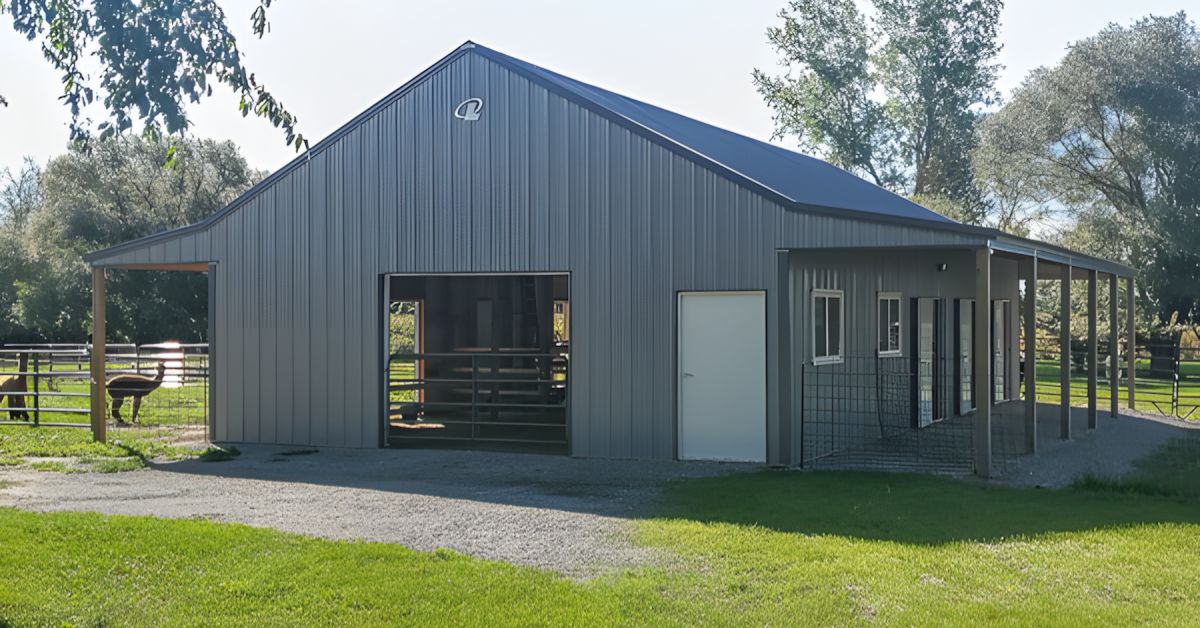
Weather, health, and productivity are closely connected on any working farm. From dairy operations to diversified livestock farms, shelter will always play a direct role in animal performance and long-term success. Understanding the importance of livestock shelters for farm animals helps producers protect their investment while creating an environment where animals can thrive year-round.
Well-designed livestock buildings are not simply structures. They are carefully planned spaces that support herd health, reduce stress, and improve operational efficiency. For farmers, shelter planning is a foundational part of sustainable livestock management.
Why Livestock Shelter Matters Year-Round
Livestock face environmental stressors in every season. Heat, humidity, wind, rain, snow, and rapid temperature swings all affect animal comfort and performance. Without proper protection, these stressors can lead to health complications, reduced weight gain, lower milk production, and increased veterinary costs.
A properly engineered shelter reduces exposure to extreme conditions. In winter, it blocks wind and prevents moisture buildup that can cause respiratory issues. In summer, it supports airflow and shade to minimize heat stress. When animals are comfortable, they consume feed more efficiently and are more productive overall.
Protecting Animal Health
Health management begins with environmental control. Moisture, drafts, and overcrowding can quickly contribute to disease spread within a herd. A well-designed shelter reduces these risks by managing airflow and drainage.
Ventilation is especially critical for livestock. Proper airflow removes excess humidity and ammonia while maintaining fresh air circulation. Without it, respiratory illnesses can spread quickly, particularly in confined housing.
Drainage and flooring also play an important role. Keeping animals dry reduces hoof problems and bacterial growth. Livestock buildings built with long-term durability in mind can better support biosecurity and sanitation practices.
Healthy animals translate to stronger performance and fewer disruptions to farm operations.
Reducing Stress Improves Productivity
Animals respond directly to their surroundings. When you leave livestock exposed to harsh winds, freezing rain, or prolonged heat, their bodies have to divert energy toward survival rather than growth or production.
Shelter reduces that environmental strain. By maintaining more consistent internal temperatures and minimizing weather exposure, livestock conserve energy. That energy instead supports weight gain, milk production, reproduction, and overall herd development.
Producers often see measurable improvements in feed conversion and output when housing animals in livestock buildings. Reduced stress also lowers the risk of injury and aggressive behavior within groups.
Supporting Efficient Farm Operations
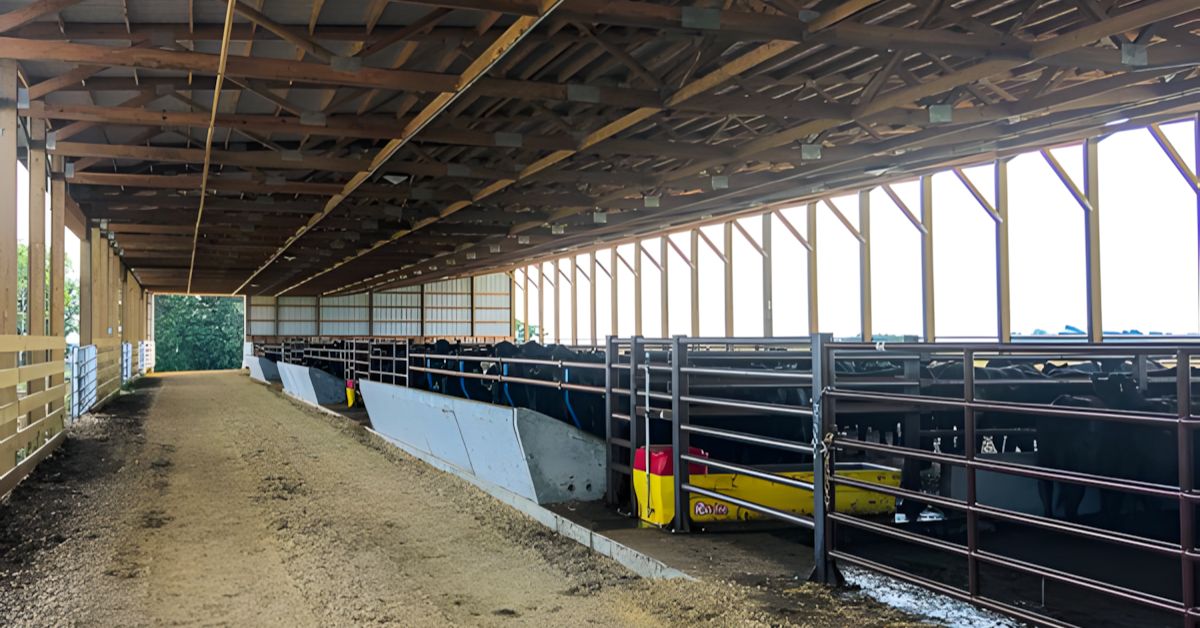
Shelter is not just about the animals. It also supports daily management practices. Organized layouts, clear access points, and adaptable space allow producers to streamline feeding, cleaning, and veterinary care.
Well-designed livestock buildings can support:
- Easier equipment access for feeding and manure management
- Designated spaces for sorting, calving, or treatment
- Storage for feed and bedding to protect materials from moisture
When buildings are customized to match the operation, they reduce labor inefficiencies and improve workflow. Over time, those efficiencies contribute to significant cost savings.
Seasonal Considerations for Livestock Buildings
Different seasons bring different structural demands. Planning for year-round use ensures the building can perform as expected.
Winter Protection
Cold stress increases feed requirements and weakens immune systems. Windbreaks, enclosed sections, and proper insulation strategies help reduce exposure. Roof design must also handle snow loads common in many agricultural regions.
Summer Ventilation
Heat stress can significantly impact milk production and weight gain. Ridge vents, overhangs, and adjustable sidewalls help regulate airflow. Strategic orientation of the building can also maximize natural ventilation.
Storm and Weather Durability
Agricultural buildings must withstand high winds, heavy rainfall, and changing conditions. Strong structural systems and engineered components contribute to long-term performance. Choosing materials designed for agricultural environments ensures longevity and lessens the need for maintenance over time.
Each of these seasonal factors reinforces why durable livestock buildings are essential investments rather than optional additions.
Customization for Different Livestock Types
Not all animals have the same housing needs. Beef cattle, dairy cows, swine, sheep, and poultry each require specific layout considerations.
For example, dairy operations often prioritize stall comfort and milking flow. Beef producers may require open housing designs that allow herd movement while providing wind protection. Swine facilities focus heavily on ventilation and biosecurity separation.
Customization allows producers to match shelter design to herd size, species, and management style. Pre-engineered post-frame construction offers flexibility in width, length, door placement, and interior configuration.
Long-Term Investment Value
Livestock buildings represent a significant investment. However, their value extends far beyond initial construction. Well-built shelters improve herd longevity, stabilize production, and protect equipment and feed resources.
Durable structural systems reduce repair frequency. Proper site preparation and engineered components help buildings withstand decades of agricultural use. Over time, consistent productivity gains often outweigh the upfront costs.
Producers who plan for long-term performance typically experience greater operational stability and lower unexpected expenses. Shelter can be a cornerstone of risk management in unpredictable weather patterns, and it can ultimately be a vital tool for your farm’s success.
Compliance and Planning Considerations
Before constructing livestock buildings, it is important to review local zoning requirements and agricultural regulations. Building placement, manure management plans, and drainage considerations may be subject to local oversight.
Site selection also impacts performance. Elevation, prevailing wind direction, and soil conditions influence how well the building functions. Careful planning at the beginning of the project prevents future operational challenges.
Working with experienced building professionals ensures the structure is engineered appropriately for both livestock use and regional weather demands.
Creating a Safer Environment for Animals and Farmers
Safety extends beyond animal comfort. Well-planned shelter reduces hazards for workers as well. Clear walkways, proper lighting, and organized equipment access contribute to a safer daily workflow.
Strong structural integrity protects both animals and equipment during storms or heavy snow. When producers invest in quality livestock buildings, they are investing in the safety of their operation as a whole.
Planning for Growth and Flexibility
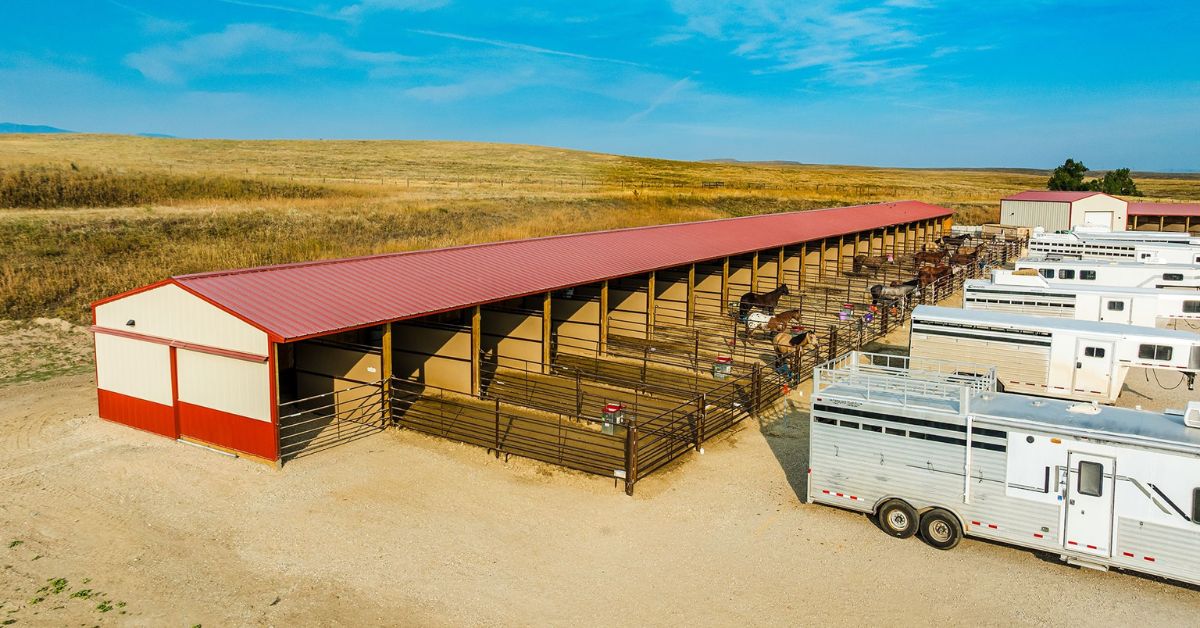
Many farms evolve over time. Herd sizes expand, production goals shift, and equipment needs change. Flexible building design supports that growth.
Post-frame construction allows for future expansions, door modifications, or interior layout adjustments. Planning for scalability during initial construction reduces the need for costly rebuilds later.
Protect What Matters Most
For any livestock operation, shelter is more than protection from the elements. It directly influences herd health, productivity, operational efficiency, and long-term profitability. Recognizing the importance of livestock shelters for farm animals allows producers to make informed decisions that support both animal welfare and business performance.
High-quality livestock buildings provide durability, customization, and year-round performance in demanding agricultural environments. When you are ready to invest in a structure designed around your operation’s needs, explore Lester Building’s livestock building solutions and connect with their team to start planning a structure that will support your farm’s future.