
Tips for Building an Indoor Riding Arena
Designing an indoor riding arena requires careful thought, especially when you’re balancing horse safety, rider comfort, and long-term durability. Whether you’re training year-round or giving horses space to move during harsh weather, the right structure will be crucial.
In this guide, we’ll walk through tips for building an indoor riding arena that help you create a functional, efficient, and long-lasting space. From layout decisions to ventilation and footing, each factor contributes to how well your arena performs over time.
Start With the Right Size and Layout
The size of your indoor arena directly affects how well it will suit your riding goals. A space that feels cramped limits movement, while an oversized building can increase costs without much added benefit.
Common arena sizes vary depending on use:
- Recreational riding often fits within a 60' x 120' layout
- Dressage and training typically require at least 70' x 140'
- Jumping or multi-discipline arenas benefit from 80' x 200' or larger
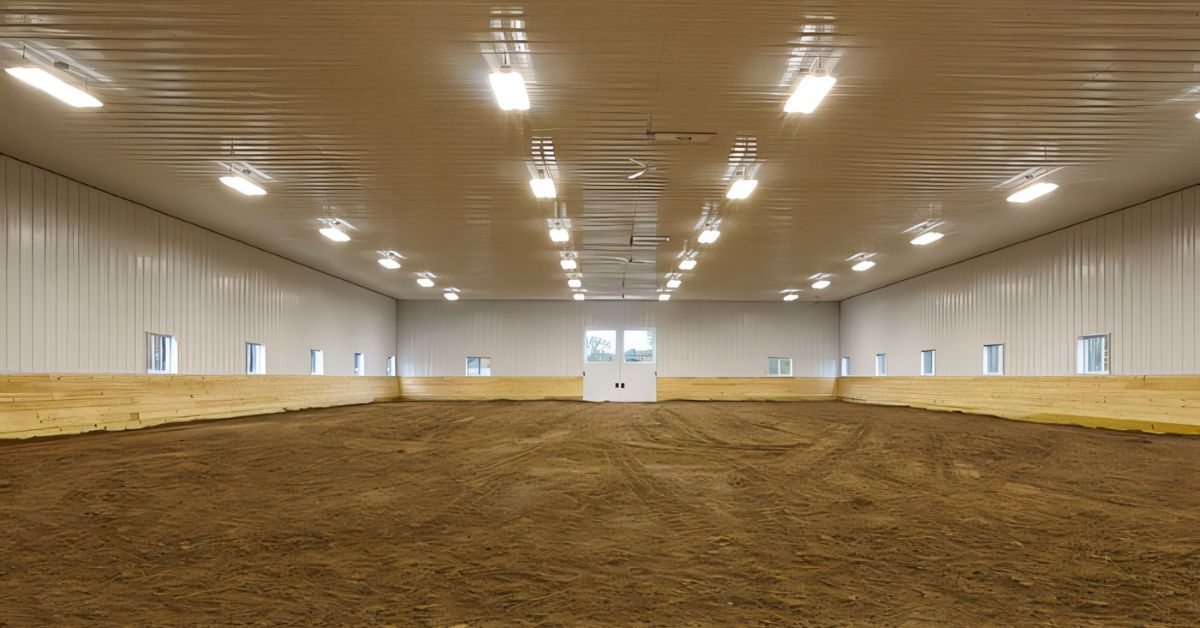
Think beyond just square footage and consider how riders will move through the space. Clear span construction is especially valuable for arenas because it eliminates interior posts that can interfere with riding patterns.
Equine pole barns are often designed with these wide-open interiors in mind, giving you flexibility without structural obstructions.
Choose Footing That Supports Horse Health
Footing is one of the most critical decisions you’ll make when building an indoor riding arena. The wrong surface can lead to joint strain, poor performance, or increased maintenance.
A well-designed footing system typically includes multiple layers:
- A compacted base for stability
- A cushioning layer for shock absorption
- A top layer tailored to your discipline
Materials such as sand, rubber, or fiber blends are equally common, but each behaves differently depending on moisture, humidity, and the frequency and intensity of use. You should also plan for proper drainage to prevent uneven surfaces and compaction issues.
Taking the time to install quality footing upfront reduces long-term costs while protecting both horses and riders.
Prioritize Ventilation and Air Quality
Indoor arenas must maintain consistent airflow to keep both horses and riders comfortable. Without proper ventilation, dust buildup and humidity can quickly become problems.
Natural ventilation strategies often include:
- Ridge vents to release warm air
- Sidewall openings or curtains for cross-breezes
- High ceilings to improve air circulation
Mechanical systems can supplement airflow in larger or enclosed spaces, but passive ventilation should always be part of the design.
Good air quality supports the respiratory health of the animals, especially during extended training sessions. Plus, it makes riders and guests much more comfortable in the arena.
Maximize Natural and Artificial Lighting
Lighting plays a major role in safety and usability. Poor visibility can affect rider confidence and increase the risk of accidents.
When planning lighting, consider a combination of natural and artificial sources. Skylights, translucent panels, or large windows can bring in daylight while reducing energy use.
For consistent illumination, install overhead lighting that minimizes shadows and glare. Evenly spacing these fixtures helps you maintain visibility across the entire arena surface at any time of day.
Design for Efficient Access and Flow
An indoor riding arena should connect smoothly with the rest of your property. Thoughtful placement of doors and access points improves daily operations and reduces congestion.
Key aspects to consider include:
- Entry door widths and styles
- Separate access points for riders and maintenance equipment
- Proximity to barns, tack rooms, and turnout areas
Efficient flow helps streamline routines and minimizes stress for both horses and handlers.
When integrated with equine pole barns, these features can be customized to match your specific workflow and layout preferences.
Plan for Moisture and Dust Control
Managing moisture levels is essential for maintaining footing quality and air conditions. Too much moisture leads to compaction, while too little increases the presence of dust.
A balanced approach may include:
- Regular watering systems or misting lines
- Proper drainage beneath the footing layers
- Controlled airflow to prevent excessive drying
Dust control is especially important in enclosed arenas, where particles can linger in the air. Investing in the right systems while designing and building helps you preserve footing integrity and improve overall comfort in the riding arena.
Consider Structural Durability and Materials
Indoor arenas face constant wear from weather exposure, animal activity, and daily use. Choosing durable materials ensures your building holds up over time.
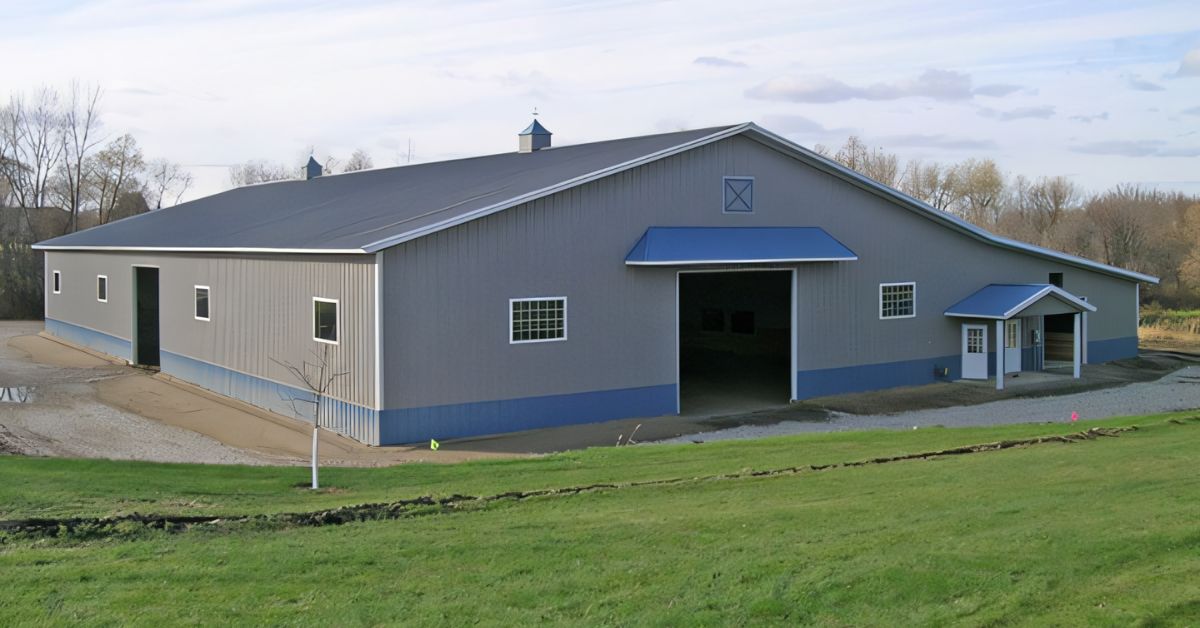
Post-frame construction is often used for equine pole barns because it offers:
- Strong structural support for wide spans
- Flexibility in design and layout
- Long-term resistance to environmental stress
Material selection should also account for local climate conditions, including wind, snow loads, and humidity.
Incorporate Insulation When Needed
Not every indoor arena requires insulation, but it can make a significant difference in certain climates. Insulation helps regulate temperature and reduces condensation, which can affect footing and structural components.
In colder regions, insulated arenas allow for more consistent year-round use. In warmer climates, reflective materials can limit heat buildup.
Evaluate how often you plan to use the arena and during which seasons. This will help determine whether insulation is a worthwhile investment for your situation.
Add Functional Features for Daily Use
Beyond the core structure, additional features can improve usability and convenience.
Consider incorporating:
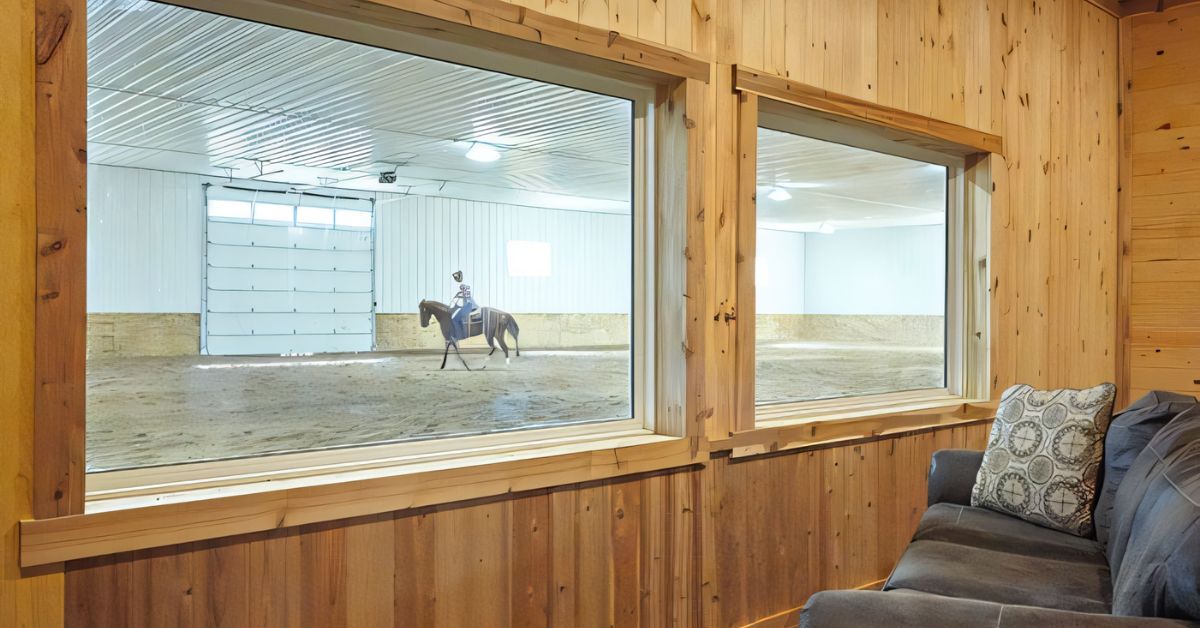
- Viewing areas or seating for lessons and events
- Storage spaces for equipment and maintenance tools
- Wash bays or grooming areas nearby
These additions create a more complete environment, allowing your arena to serve multiple purposes.
Work With an Experienced Builder
Building an indoor riding arena involves more than just selecting materials and dimensions. Each decision affects performance, maintenance, and long-term value.
An experienced builder can guide you through:
- Structural design and engineering requirements
- Customization options based on your goals
- Efficient construction timelines
They can also help you avoid common pitfalls, such as underestimating ventilation needs or choosing unsuitable footing materials.
Partnering with a knowledgeable provider ensures your investment delivers the results you expect.
Build an Arena That Works for You
Creating a high-performing indoor arena requires thoughtful planning and attention to detail. From footing and ventilation to lighting and layout, each element plays a role in how the space functions each day.
By following these tips for building an indoor riding arena, you can design a structure that supports horse health, rider safety, and long-term durability. The right approach helps you get more value from your investment while improving the overall riding experience.
If you’re considering equine pole barns for your project, working with a trusted provider can simplify the process and ensure your building meets your exact needs.
Ready To Start Your Indoor Arena Project?
Lester Building Systems specializes in custom post-frame construction designed around your goals. Whether you’re planning a new indoor riding arena or upgrading an existing facility, our team can help you bring that vision to life.
Contact Lester Building Systems today to explore horse barn design options and take the next step toward building a better equine space.