
Tips for Choosing the Right Livestock Barn Builder
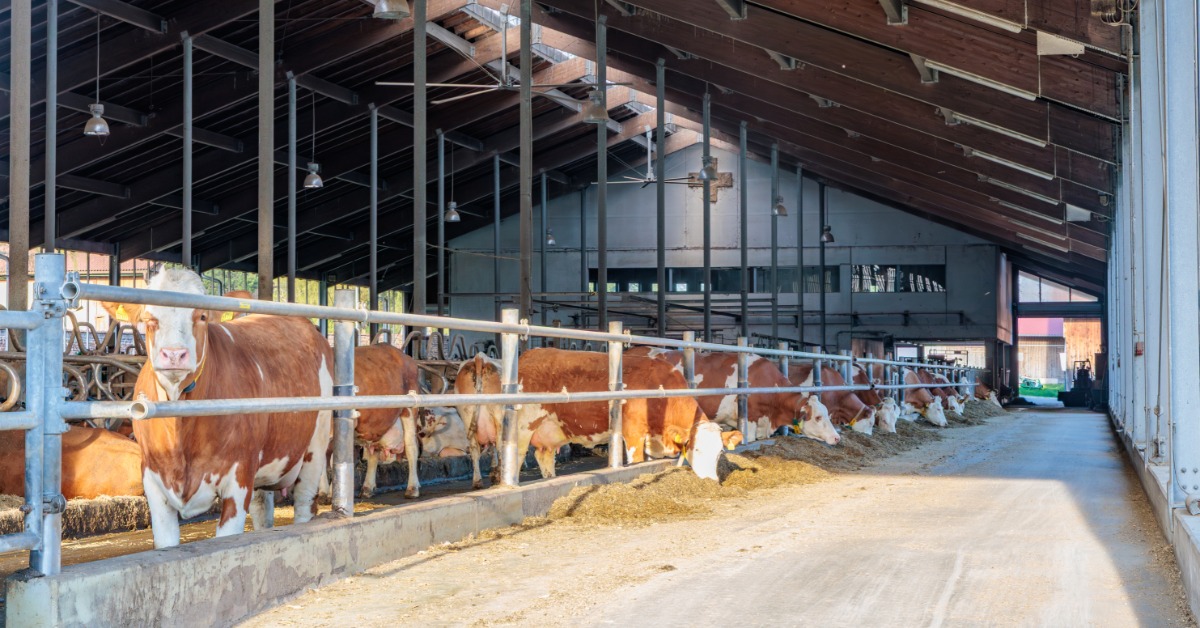
A livestock barn must support the animals housed inside while fitting the way work moves through the operation each day. Because those needs influence decisions made during planning and construction, a builder’s experience with livestock facilities can matter just as much as its general agricultural building experience.
When choosing the right livestock barn builder, look beyond price to determine whether each company understands your project and can clearly explain how it will approach the work. Evaluating relevant experience, project responsibilities, and the builder’s planning process can give you a stronger basis for comparing your options.
1. Look for Experience With Livestock Buildings
Although many companies construct agricultural buildings, experience with livestock facilities gives a builder a more relevant background for your project. Housing animals can affect decisions about the building layout and other features, which makes experience with similar facilities worth discussing early in the selection process.
When speaking with a potential builder, ask about previous projects involving the type of livestock you raise and review examples of completed work when available. Projects that resemble your proposed barn in purpose and scale can give you a better sense of whether the company has handled comparable building needs.
As you review that experience, focus on how closely the previous projects relate to what you plan to build. A portfolio of relevant livestock facilities can provide a stronger basis for further conversations about your project.
2. Evaluate How the Builder Approaches Your Operation
Because livestock operations can differ in the way they house animals and manage daily work, a barn design should reflect how the owner expects to use the space. During early conversations, a potential builder should ask enough questions to understand the purpose of the structure before moving too far into design decisions.
Pay attention to whether the discussion addresses the activities that will take place inside the barn and how people will move through the space during routine work. Those conversations can reveal whether the company approaches the project as a custom building or relies heavily on a predetermined solution.
3. Discuss Livestock-Specific Building Needs
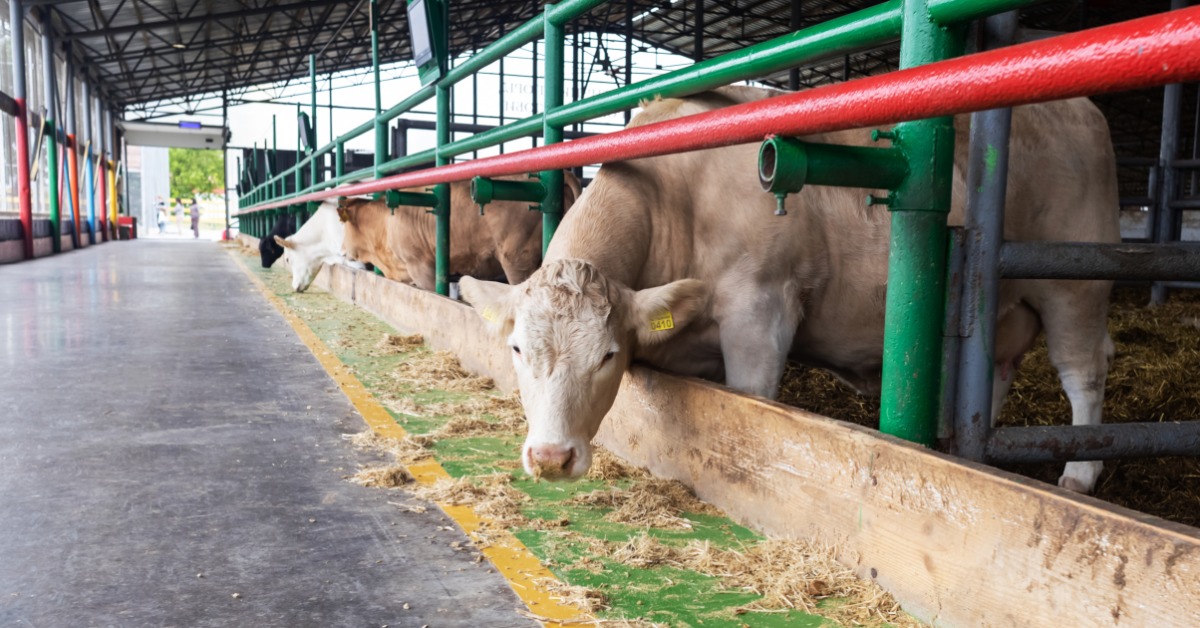
Once you have established that a builder understands your operation, the conversation can move toward the building features your livestock require. The structure may need to accommodate ventilation or other environmental systems, depending on the type of facility and how you intend to manage it.
Rather than expecting the building company to make animal-management decisions for you, determine whether its team can coordinate the structure with the requirements you establish for the facility. When specialized systems affect the building design, addressing those requirements early can reduce the chance of discovering conflicts after plans have progressed.
If you already work with livestock specialists or equipment providers, ask how their requirements will factor into the building process. Clarifying those relationships can establish who will provide the necessary information and how the builder will incorporate it into the structure.
4. Review Engineering and Construction Standards
As you narrow your options, understanding how each company approaches structural design can reveal important differences between builders. Ask how the company develops plans for the project and accounts for structural requirements that apply at the building location.
The conversation should also give you a clear understanding of the proposed structural components and construction methods. When a builder recommends a particular approach, ask why it fits the intended use of the barn, so you can evaluate the reasoning behind the recommendation.
5. Determine How Specialized Requirements Will Be Coordinated
Because some livestock facilities incorporate equipment or systems beyond the primary building structure, coordination can become an important part of project planning. If another supplier will provide equipment that affects dimensions, clearances, or the building layout, ask how the builder will account for those requirements during design.
Addressing these details before construction begins gives everyone involved an opportunity to identify potential conflicts while changes remain easier to incorporate. The builder should also clarify which parts of the project fall within its scope and which items you will need to coordinate separately.
When responsibilities cross between the building company and another provider, establish how the necessary project information will move between them. Clear expectations can reduce uncertainty about who needs to provide dimensions, specifications, or other information before the building plans move forward.
6. Compare Proposals Based on Scope, Not Just Price
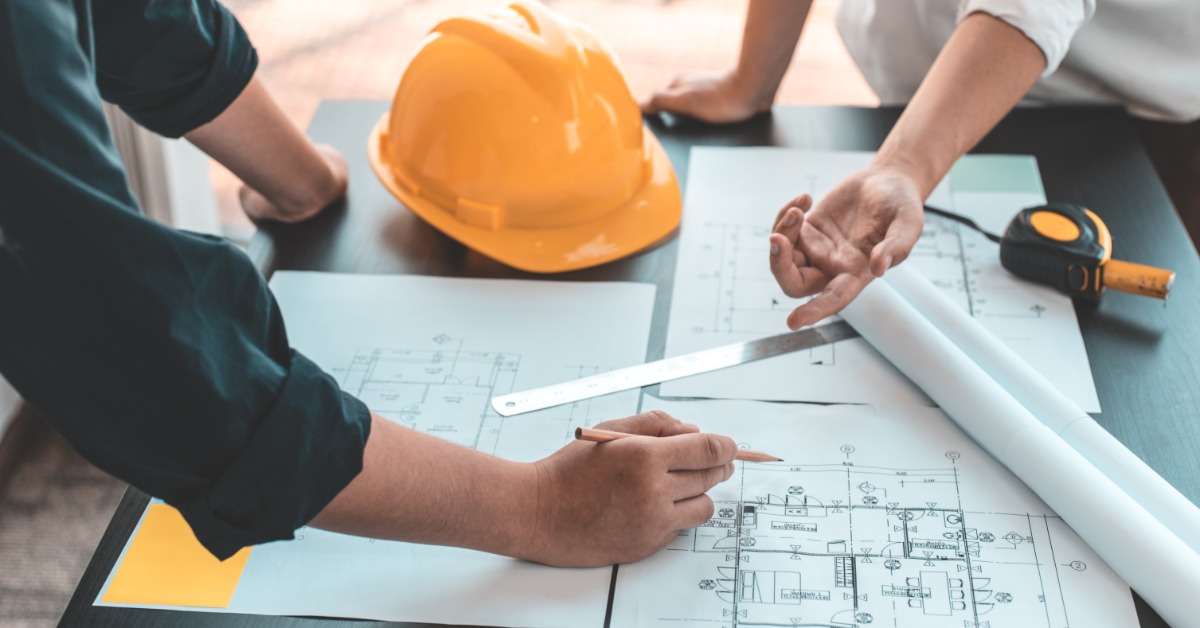
After you have discussed the building requirements with potential companies, compare proposals carefully enough to understand what each price represents. A lower estimate may not provide the best value if the proposals cover different materials or assign project responsibilities differently.
As you review each proposal, determine what the builder includes in the building specifications and which design or engineering services fall within the quoted scope. You should also understand which portions of construction the company will handle, what you will need to coordinate separately, and how changes to the approved project could affect the proposal.
Comparing those details alongside the total price gives you a clearer picture of what each company offers. Addressing differences in scope before selecting a builder also gives you an opportunity to resolve unclear expectations before the project moves forward.
7. Evaluate Communication and Project Expectations
By the time you reach the final stages of comparing builders, you should have a sense of how each company communicates during the planning process. Consider whether representatives answer your questions clearly and explain recommendations in a way that allows you to understand the decisions affecting your building.
Before making your selection, ask how communication will work as the project moves forward and who will serve as your primary contact. Knowing how the company handles questions and project decisions can help you determine whether its working process fits your expectations.
Because a livestock barn represents a substantial project for your operation, you should feel confident that you understand both the proposed building and the process of getting it constructed. A builder that communicates its scope clearly gives you a stronger foundation for making that decision.
Choose a Builder That Fits Your Livestock Project
Finding the right builder starts with understanding what your project requires and using those needs to evaluate each company consistently. When you consider choosing the right livestock barn builder in that context, you can focus on whether the company has relevant experience and can develop a structure around the way your operation functions.
If you are planning livestock barns, we can work with you to develop a custom post-frame building around the needs of your project. Contact Lester Buildings to discuss your plans and determine the next steps for your livestock building.