
Tips for Choosing the Right Size Pole Barn
.jpg "LesterBuildingSystemsLLC-406245-pole-building-manufacturers-Blogbanner1-(1).jpg")
Pole barns deliver remarkable versatility, whether you need storage, a workshop, a livestock shelter, or a multipurpose building that adapts as life changes. Size decisions sit at the center of long-term satisfaction, performance, and cost control. Taking a thoughtful approach helps you avoid crowding, wasted space, and expensive modifications later. This guide shares practical insights that help you choose the right size for your pole barn with confidence.
Key Considerations for Determining Pole Barn Size
Intended Use
Start with a clear picture of what the building must handle now. A hobby workshop demands open floor space, durable flooring, and comfortable clearances around benches and tools. Vehicle storage requires correct door widths, adequate eave height, and turning room that limits the need for tight maneuvers. Livestock or agricultural applications bring unique needs around feed storage, ventilation, alley widths, and equipment access.
Multiple uses can coexist within one footprint. A combined vehicle bay and woodworking space might need separate zones, with a wider span for vehicles and a deeper bay for tools and lumber. RV or boat storage raises height and door requirements, which can push the design toward taller sidewalls and reinforced structural elements. Commercial use, such as equipment maintenance or light manufacturing, asks for clear-span interiors that keep layout flexible and safe.
Seasonal fluctuation matters as well. A gardener might need minimal space in winter and full capacity in summer. Snowblower storage, seed organization, and safe chemical storage influence layout and aisle widths. Agricultural producers often need room for hay bales, seed pallets, skid steers, and implements, plus circulation space that keeps operations efficient.
Site Dimensions and Restrictions
Site realities shape everything from footprint to door placement. Smart design choices align with local rules and the topography of your land. Consider the points below as a quick checklist:
- Setbacks and easements: Confirm required distances from property lines, roads, and utilities.
- Zoning and permits: Check use allowances, height limits, and any district-specific design requirements.
- Access and driveways: Ensure equipment can enter and exit safely without sharp turns.
- Utilities and drainage: Map power, water, and septic, and plan surface water management.
- Orientation: Capture natural light and block prevailing winds where practical.
Future Expansion
Goals often grow. Designing with tomorrow in mind reduces disruption and preserves your investment. Expansion-friendly layouts keep endwalls free of obstructions and align structural bays for future additions. Sliding or overhead doors placed at the gable end can make length extensions straightforward.
Planning adequate eave height now helps accommodate taller vehicles or lifts down the road. A slight increase in height delivers big flexibility later. Foundation and site work benefit from early foresight as well. Preparing extra gravel base or grading a larger pad opens the door to efficient, staged growth.
Interior planning adds another layer of readiness. A clear-span frame keeps floor plans flexible as needs change. Mezzanines, loft storage, or modular partitions enable reconfiguration with minimal structural interference. Electrical service sizing and conduit placement can support future circuits or equipment without costly rework.
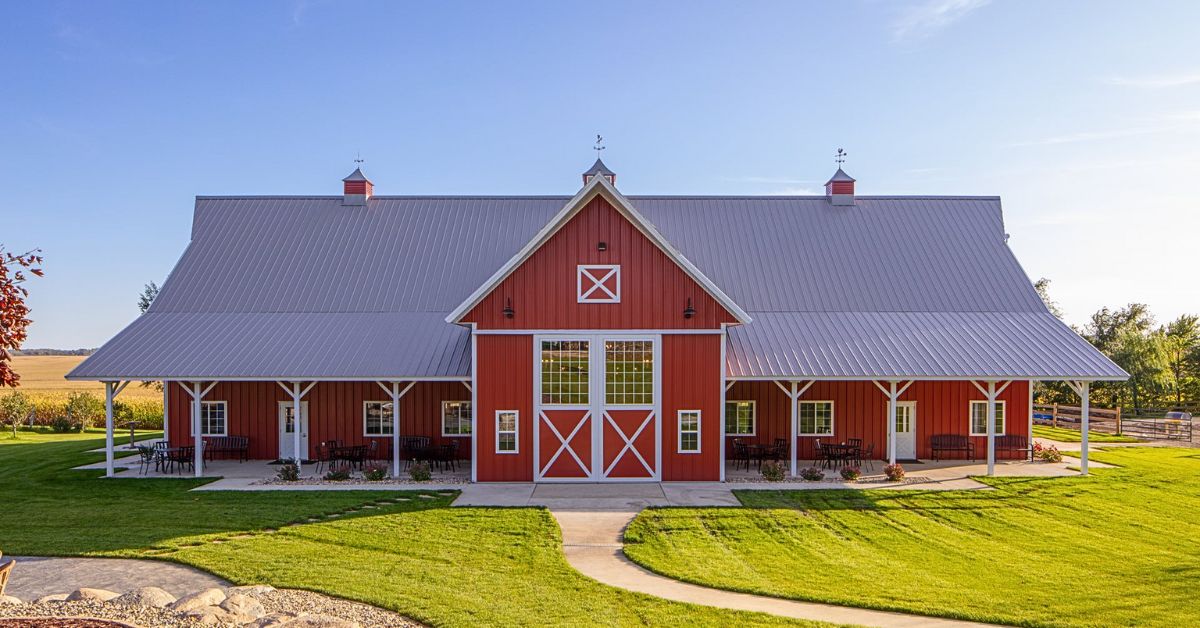
Dimensions for Pole Barns
Small Pole Barns (20x30 to 30x40)
Smaller barns serve homeowners and hobbyists well. A 20x30 building fits a compact workshop with a single vehicle bay or a tidy storage center for lawn gear, seasonal décor, and bicycles. A 24x36 footprint suits two vehicles with modest shelving while preserving comfortable circulation space.
Advantages include lower upfront cost, quicker construction timelines, and simpler permitting in many jurisdictions. Heating and cooling demands remain manageable if you plan four-season use. Maintenance stays straightforward, and the footprint fits tighter sites without strain.
Limitations surface when equipment or interests expand. Tandem parking, trailer storage, or large woodworking machines can feel cramped fast. Ceiling height also matters. A 10-foot wall might satisfy everyday needs yet miss opportunities for car lifts, tall shelving, or boat storage. Consider door heights carefully; a few extra inches might futureproof the space without breaking your budget.
Medium Pole Barns (30x50 to 40x60)
Mid-sized footprints provide balance between flexibility and cost. A 30x50 layout works for three vehicles with a separate workshop bay and dedicated tool storage. A 40x60 building accommodates a tractor, attachments, and seed storage while maintaining safe aisle widths and turning space.
Versatility stands out here. Clear-span interiors allow creative zoning for hobbies, maintenance tasks, and materials management. Commercial users value the extra room for work cells, staging areas, or small inventory zones. Agricultural operators appreciate the ability to separate feed, animals, and equipment within the same building while maintaining good ventilation and sanitation practices.
Door placement and bay spacing deserve attention at these sizes. Large equipment and trailers dictate taller doors and wider openings. Sidewall height decisions ripple across the entire project. A move from 12 feet to 14 feet often unlocks lift use, higher racking, and safer forklift operation. Ventilation upgrades, insulation packages, and natural lighting strategies scale efficiently at this range.
Large Pole Barns (40x60 and Larger)
Larger pole barns deliver capability for agricultural, commercial, and advanced hobby applications. A 40x80 building holds multiple large implements, seed pallets, and a dedicated repair area. Operations that rely on trucks, skid steers, and service bays benefit from generous spans, high eaves, and planned traffic flow that avoids bottlenecks.
Applications often include equipment storage, commodity handling, fleet maintenance, and light manufacturing tasks. A wide clear span promotes flexible floor plans and easy reconfiguration as operations evolve.
Managing large structures brings additional considerations. Lighting design must reduce shadows over work surfaces and loading zones. Efficient HVAC or ventilation strategies protect worker comfort and prevent condensation on tools and finishes. Fire separation, egress planning, and code compliance scale in importance as you explore larger space sizes and increased use diversity.
Budget and Value Considerations
Costs rise with size, yet unit cost efficiency can improve at certain thresholds. A small step up in dimensions sometimes adds significant utility with only a moderate budget increase. Doors and windows influence both price and performance. High-quality overhead doors with proper insulation contribute to comfort and long-term energy savings.
Work with trusted pole building manufacturers who understand engineering, codes, and regional conditions. Structural details like truss spacing, column depth, and bracing strategies impact longevity and safety. A well-engineered building reduces maintenance needs and stands ready for future upgrades.
Site Planning and Access
Traffic flow matters as much as interior dimensions. Driveways should handle deliveries, trailers, and equipment with safe turning radiuses. Snow removal paths and drainage patterns are worth planning now—you don’t want to learn what you needed after the first storm.
Utility placement shapes convenience. Electrical service capacity should support tools, HVAC, and potential growth. Water access, frost-proof plumbing, and floor drains often define year-round usability. Thoughtful grading and gravel bases stabilize the building and maintain clean access.
Your Next Step: Confident Sizing and Smart Design
A building that fits today and flexes tomorrow delivers lasting value and fewer compromises. The right partner makes the process simple and transparent.
Lester Buildings brings decades of engineering experience, tailored design, and proven construction quality. MyLester Design helps you visualize layouts, doors, windows, and finishes in an intuitive 3D environment. That clarity turns wish lists into precise dimensions that work on your land and within your budget. Project specialists can also explain structural options that maximize clear-span space, improve energy performance, and streamline future additions.
Ready for a smooth path from concept to completion? Use MyLester Design to map your layout, then connect with a Lester Buildings representative to refine dimensions, price options, and schedule. Expert guidance, thoughtful engineering, and reliable service make it easier to choose the right size for your pole barn and build with confidence.